Magnesium, Ashwagandha, L-Theanine: What Stress Supplements Can and Can't Do for an Anxious Nervous System

My bathroom cabinet right now has two kinds of magnesium, ashwagandha gummies I bought off a TikTok, and a bottle of L-theanine I forgot I owned.
Apparently I'm not the only one. People are searching for stress relief supplements 355% more than they were two years ago, according to Exploding Topics. Honestly, I get it. When you're stressed, grabbing a gummy is just easier.
So I went back through the actual studies behind the three I've used most (yes, I've spent a few hundred dollars on this).
If You Can't Turn Your Brain Off at Night
This is where I started, with magnesium. A 2017 review in Nutrients pulled together 18 studies and found some good signs for anxiety, mostly in people who were already prone to it. The researchers also said the studies weren't great, which I appreciated them just saying.
Mostly it just helped me sleep better. My doctor suggested magnesium glycinate cause it's usually easier on your stomach than the citrate kind.
L-theanine, the stuff in green tea, has a small but decent trial behind it too. In a 2019 study in Nutrients, 30 adults took 200 mg a day for four weeks, and their sleep and anxiety scores went down compared to a placebo.
On nights my head is still going at midnight, I put on a personalized sleep meditation built from whatever I journaled about that week. That usually gets me to sleep, so I don't bother with another capsule.
If You've Been Wired and Tired for Months
This is ashwagandha's whole reputation, and it has the most research of the three. In one 2012 trial, 64 adults with chronic stress took ashwagandha root extract for 60 days, and their stress scores and cortisol dropped more than the placebo group's. In 2022, a group of researchers looked at 12 trials with about 1,000 people and also found lower stress, but they said they weren't very confident in it.
BUT this is also the one I'd be most careful with. The NIH says to skip it if you're pregnant or breastfeeding, and they say it's not a good idea if you have a thyroid or autoimmune condition. A few people have also ended up with liver damage from it, which is rare, and it usually showed up a few weeks to a few months after they started. Denmark went as far as moving to ban it from supplements in 2023 over hormone and pregnancy concerns.
I took it for about two months last winter and felt a little more even. I also started walking every morning that same month, so I really can't tell you which one did it.
For that wired feeling in the moment, I do a Daily Check-in, and it calms my body down pretty fast.
If Your Chest Gets Tight Before a Hard Conversation
This is when I reach for L-theanine. I take it the afternoon before something like a tough talk with my husband about money, and I think it takes the edge off.
The study I trust most had people take it every day for four weeks, so taking it once before a hard talk is just my own thing.
Honestly, having something to do with my body right before helps more. I do a two-minute emotional regulation exercise in the bathroom first, which sounds silly, and it works anyway.
If You Spiral When They Don't Text Back
Okay so this is the one none of them touched for me. I could be full of magnesium and still spend an hour overthinking why my friend left me on read.
That's cause the stress there is coming from what I think the silence means. When I'm in the middle of spiraling, I use Ride the Storm to get through the worst of it without sending the fifth text.
Once I'm calm, CBT journaling is where I look at what I was actually afraid it meant.
What the Labels Leave Out
The FDA doesn't approve supplements for safety or for whether they work before they hit the shelf at Target. So nobody's checked whether your gummy does what the bottle says before you buy it.
For magnesium, the NIH upper limit from supplements is 350 mg a day for adults, and going over can mean diarrhea and cramps. It can also mess with how some antibiotics and osteoporosis meds get absorbed. Ashwagandha can interact with thyroid, diabetes and blood pressure meds.
If you're on anything, I'd bring the bottles to your next doctor's appointment and ask.
Note: this isn't medical advice. If you've been struggling for a while, talk to a doctor or therapist.
The Attached App Helps With the Part Supplements Don't
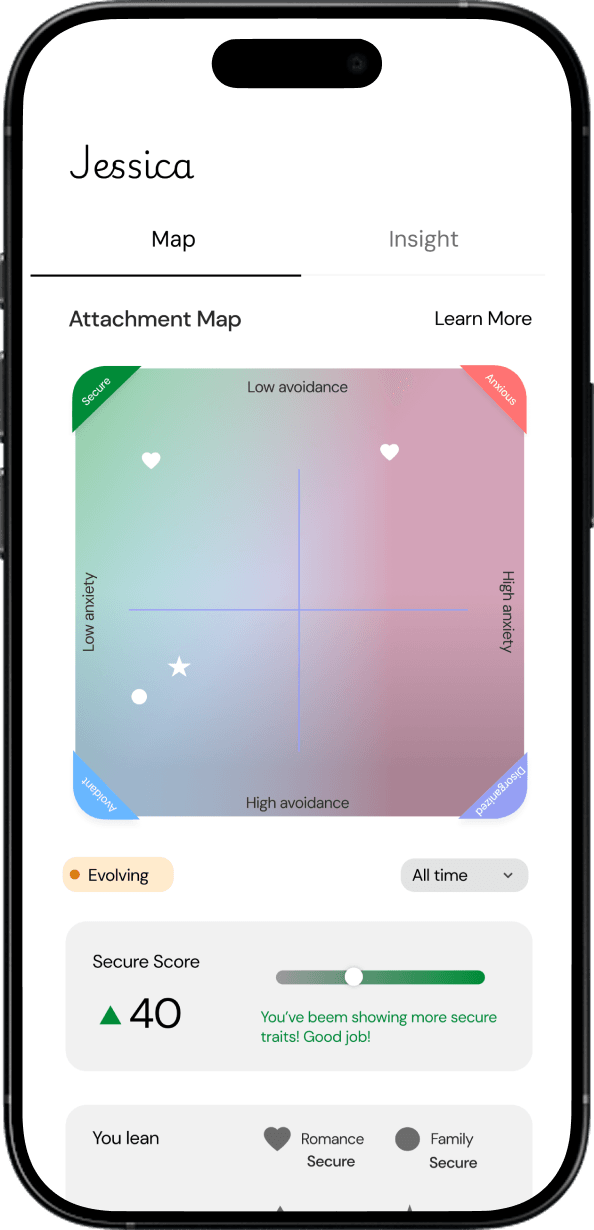
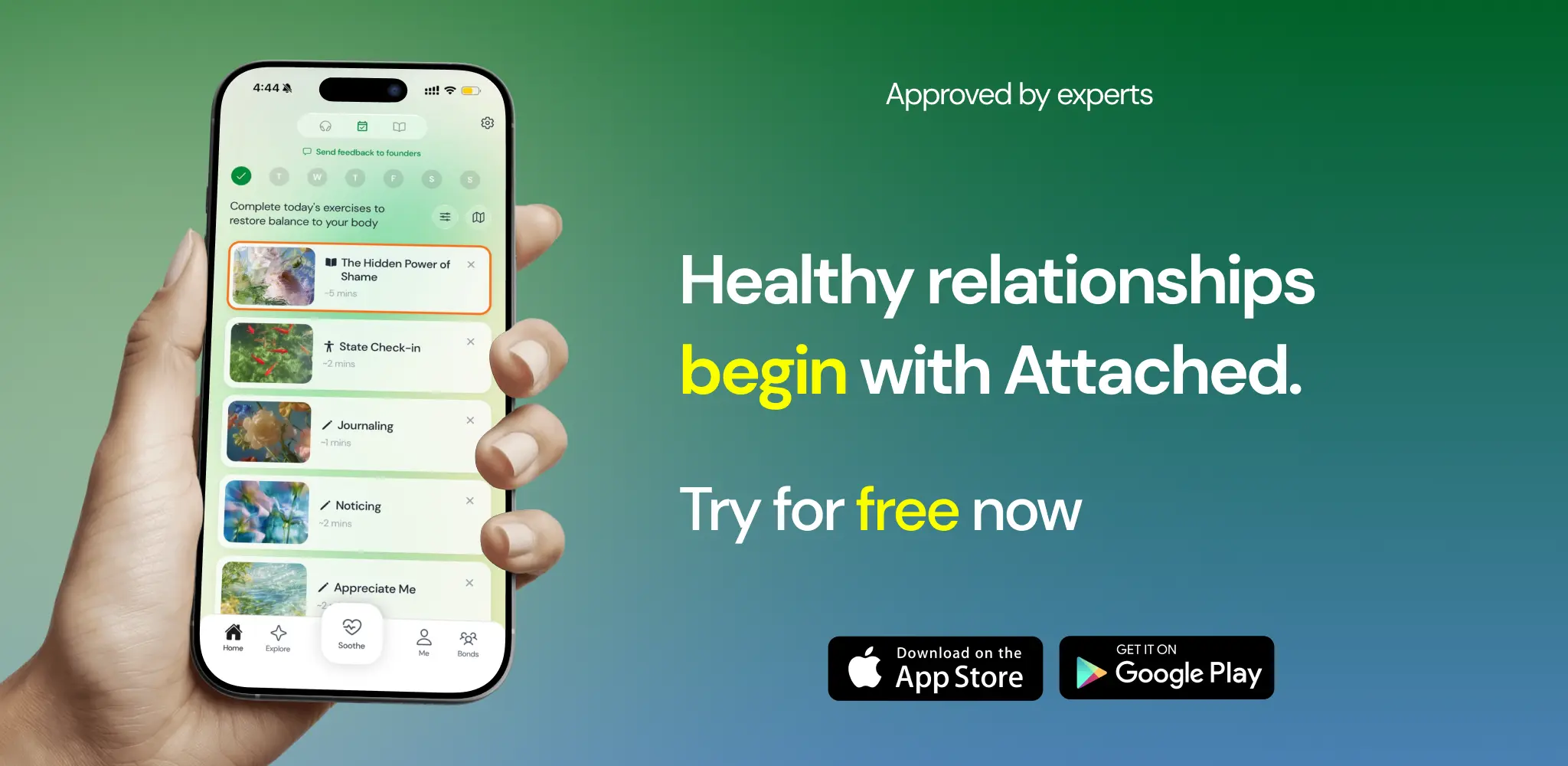
When the same kind of week keeps wearing you out, it helps to write down what's bugging you before bed. Attached is where I do that, usually right before I put on a sleep meditation.
- Guided journaling for unloading the day
- Personalized meditations built from what you've been writing
- Daily reflection prompts for noticing stress patterns early
Because changing doesn't come from buying the same fix forever. Changing starts when the page asks a better question.
Related articles
More reading to help this topic connect across the blog.
What to actually say when you sit down with your inner child. The sentences that finally worked after weeks of getting nothing back, what to do when it feels fake, and when to skip it entirely.
Most of the changing happens outside the therapy room. A memoir about Tuesday spirals, therapy homework, and the between-session practice that finally made the pattern real.
Skip the cold plunge and the 5am routine. Here's how to restore your nervous system based on how much time you actually have — from 2 minutes to a full day off — using simple, research-backed steps like movement, time outside, and being near water.
I spent thousands of dollars so you don't have to. Here's which type of meditation to use for what, from mindfulness to IFS to Ideal Parent Figure.
Understand your attachment style
Read the full guide to each attachment style, or take the quiz to find yours.