Nervous System Restoration Based on How Much Time You Actually Have
I'll say the unpopular thing first: I don't think you need a cold plunge. I don't think you need a 5am routine either. If you're already burnt out, waking up earlier to sit in ice water is just more stress. And when you quit on day four, you'll feel worse than before you started.
The stuff that actually works is way less impressive: moving around, being outside, hearing water. You'd do most of it anyway on a good Saturday. The research backs it up better than it backs the ice bath, and none of it needs discipline you don't have right now.
So I organized this by the only thing that matters when you're fried: how much time you actually have. Scroll to the bracket that fits your day.
2 minutes
Stand up and shake out your arms and legs like you're warming up for a race. It looks silly, and it works anyway. Animals shake after stress, and there's a reason: movement tells your body the emergency is over. If shaking feels like too much, breathe out longer than you breathe in, a few times. That's the whole technique.
5 minutes
This one surprised me when I first read it: a University of Essex analysis found that five minutes of moving your body outdoors near anything green measurably lifted mood. Five minutes. Walk around the block. Water your balcony plants slowly. And if leaving your desk isn't happening today, try a 5-minute personalized meditation. It builds one for you based on what you've been journaling about, which beats a generic "imagine a forest" track.
15 minutes
Fifteen minutes is journaling territory. Dump everything that's sitting on you onto the page, then write one honest line about which of those things is actually yours to carry today. When "everything is too much" turns into a list of six things, four of them can usually wait. You can feel the difference as soon as it's on paper. If a blank page freezes you, guided prompts will ask you the questions instead.
30 minutes
Pick your exercise by what your stress feels like. If you're wired and buzzing, go rhythmic and repetitive: a run, laps in a pool, cycling. Repetitive movement soothes the same way a dryer hum does. If you're flat and heavy, do the opposite and pick something with novelty in it, like a dance video you'll be bad at or a kettlebell circuit you've never tried. Harvard Health has written plainly about aerobic exercise lowering stress hormones like cortisol. I think matching the exercise to your mood matters more than which exercise it is.
Half a day
Get to water if you can. Researchers who study "blue space", meaning time near oceans, lakes, and rivers, keep finding it calms people down even more than green space does. Sit there, listen to the waves, and let your thoughts wander wherever. Don't bring a podcast about productivity. If the coast is far, the woods work too. Japan has studied forest bathing for decades and found lower cortisol and blood pressure from walking slowly under trees. If you turn the hike into cardio with a pace goal, you've moved your workout outside, which is nice, but it's a different activity.
A full day off
Combine everything above and plan nothing else. Move in the morning, water or woods in the afternoon, and somewhere in there take fifteen minutes to write down what this week took out of you. You're just getting it out of your head while it's still small.
Note: this isn't medical advice. If you've been struggling for a while, talk to a doctor or therapist.
When You've Only Got Your Phone
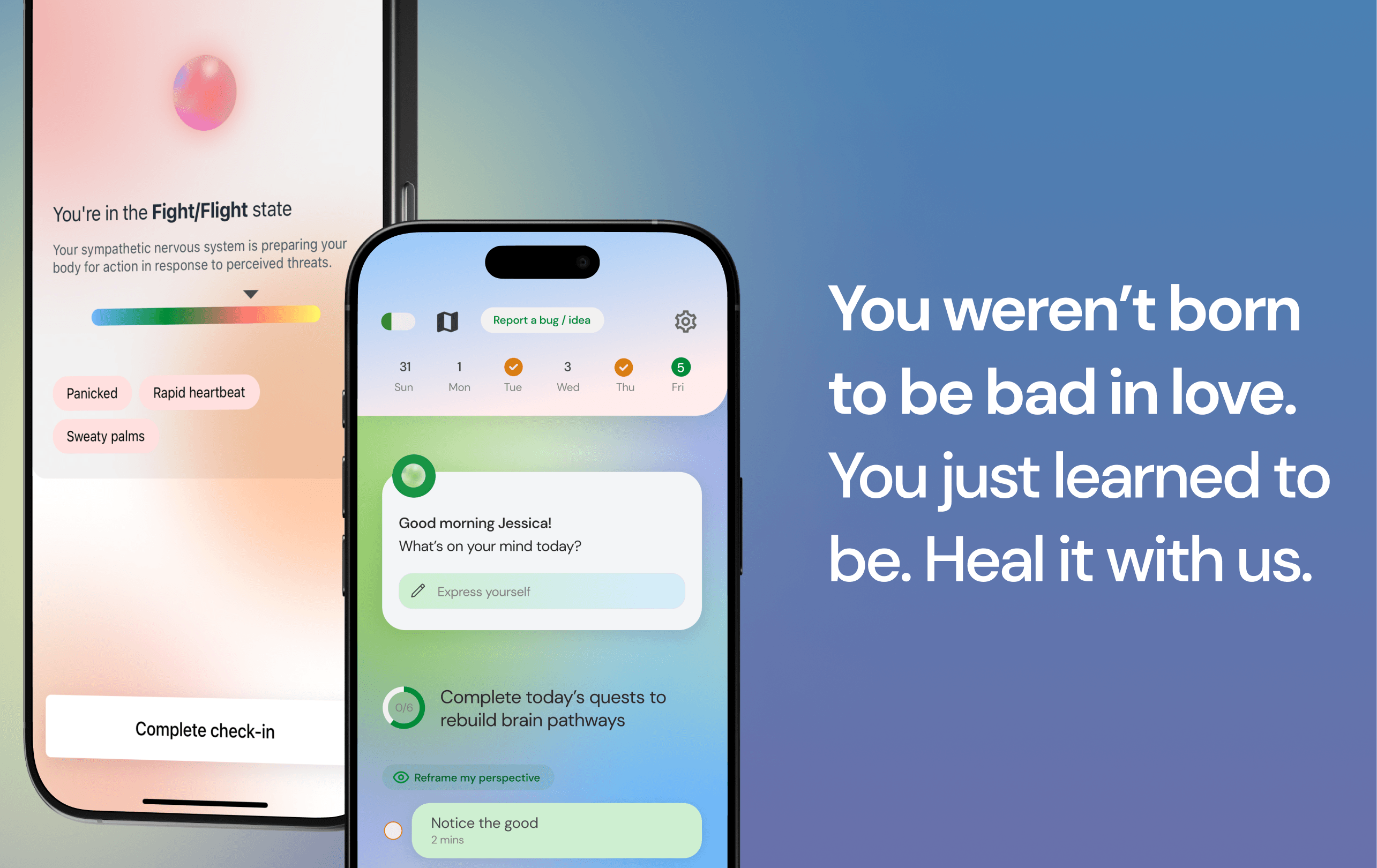
Most of this list needs a beach, a trail, or at least a door. Some days you have a commute and a couch. Attached covers the in-between spaces:
- Guided journaling for unloading what the day piled on
- Personalized meditations built from what you've been writing about
- Daily reflection prompts so you notice stress patterns before they turn into burnout
Changing starts when the page asks a better question.

Related articles
More reading to help this topic connect across the blog.
I spent wayyyyy too much at Target so you don't have to.
What to actually say when you sit down with your inner child. The sentences that finally worked after weeks of getting nothing back, what to do when it feels fake, and when to skip it entirely.
Most of the changing happens outside the therapy room. A memoir about Tuesday spirals, therapy homework, and the between-session practice that finally made the pattern real.
I spent thousands of dollars so you don't have to. Here's which type of meditation to use for what, from mindfulness to IFS to Ideal Parent Figure.
Understand your attachment style
Read the full guide to each attachment style, or take the quiz to find yours.