What Are Attachment Styles?
Attachment styles describe how you connect with other people in close relationships. They come from attachment theory, which was first developed by psychologist John Bowlby and later expanded by Mary Ainsworth.
The basic idea is simple: the way you were cared for as a child shapes how you handle closeness, trust, and conflict as an adult. Your attachment style affects how you act in romantic relationships — how you deal with arguments, how you express love, and what makes you feel safe or anxious with a partner.
The good news is that attachment styles are not set in stone. Once you understand your pattern, you can work toward building healthier, more fulfilling relationships.
The Four Attachment Styles
Research identifies four main attachment styles. Most people lean toward one, but you might see parts of yourself in more than one.
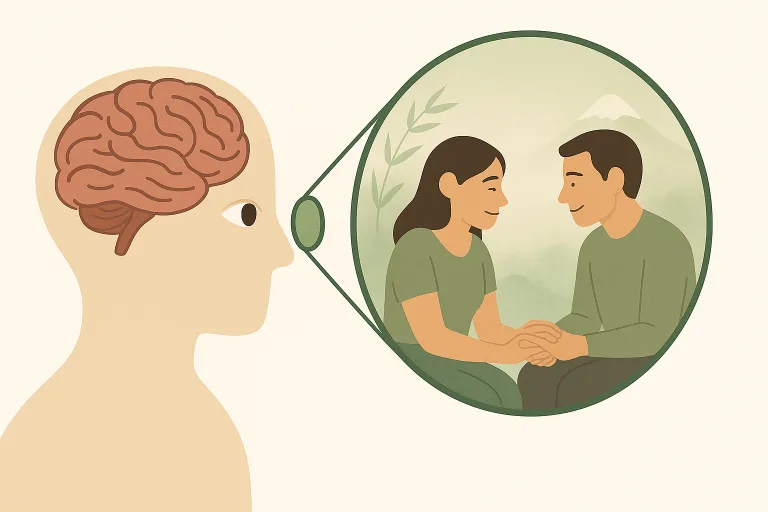
Secure Attachment
People with a secure attachment style feel comfortable with closeness and independence in relationships. They trust their partners, communicate openly, and handle conflict in a healthy way. About 50-60% of adults have a secure attachment style.
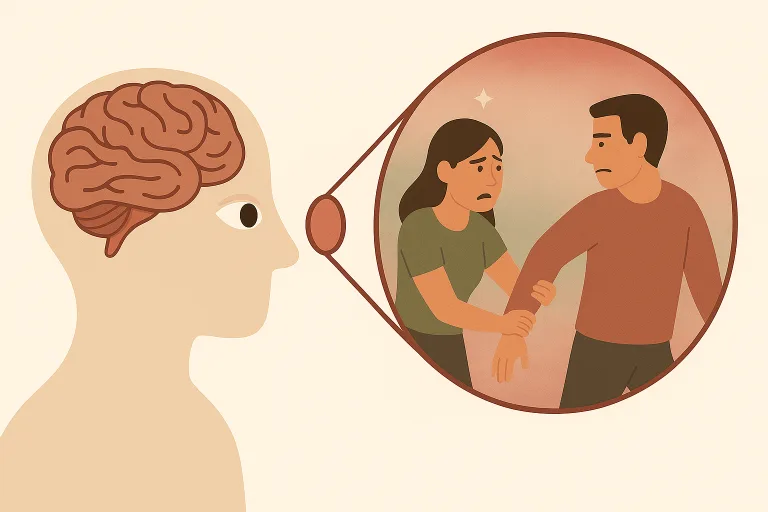
Anxious Attachment (Preoccupied)
People with an anxious attachment style crave closeness but often worry their partner does not feel the same way. They may need a lot of reassurance, overthink small things, and fear being abandoned. About 20% of adults have an anxious attachment style.
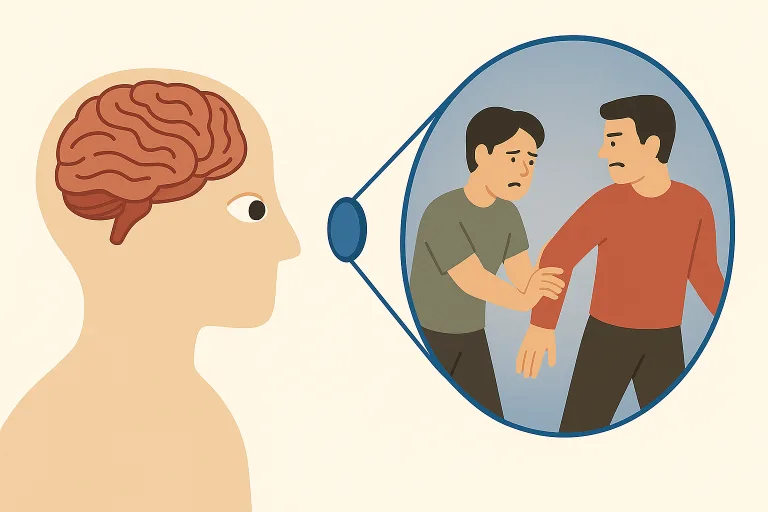
Avoidant Attachment (Dismissive)
People with an avoidant attachment style value independence and self-reliance. They may feel uncomfortable with emotional closeness, keep feelings to themselves, and pull away when things get too intimate. About 25% of adults have an avoidant attachment style.
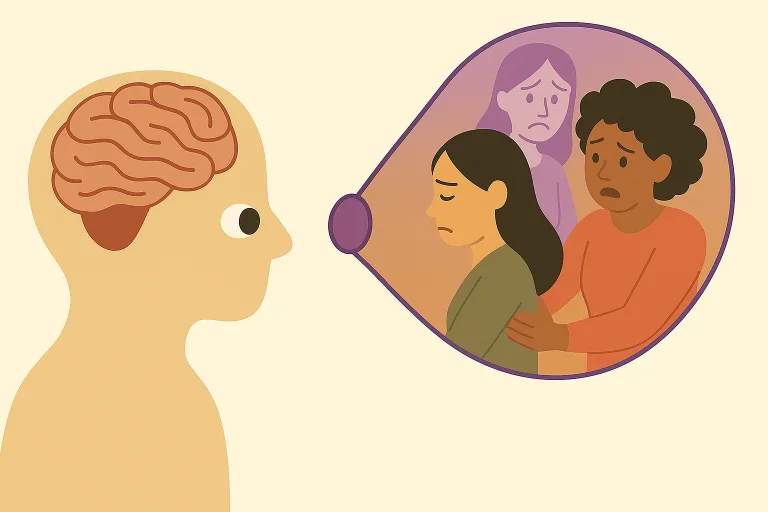
Fearful-Avoidant Attachment (Disorganized)
People with a fearful-avoidant attachment style want closeness but also fear it. They may swing between wanting connection and pushing people away, leading to confusing relationship patterns. About 5% of adults have a fearful-avoidant attachment style.
Built on the ECR-R — the attachment scale used in thousands of studies — and backed by our own analysis of 11,793 people working on their attachment. Read the research →
How This Quiz Works
This quiz is based on the ECR-R (Experiences in Close Relationships-Revised), a well-known questionnaire created by psychologists R. Chris Fraley, Niels Waller, and Kelly Brennan. It has been used in thousands of research studies worldwide.
The quiz measures two things:
- Anxiety — How much you worry about your partner leaving you, not loving you enough, or not being available when you need them.
- Avoidance — How comfortable you are with emotional closeness, sharing your feelings, and depending on your partner.
Your scores on these two dimensions determine which of the four attachment styles best describes your relationship pattern. There are no right or wrong answers — just answer honestly based on how you generally feel in romantic relationships.
Can Attachment Styles Change?
Yes, they can. While your early experiences have a strong influence, attachment styles are not permanent. Research shows that people can develop a more secure attachment style through:
- Self-awareness — Understanding your patterns is the first step toward changing them.
- Healthy relationships — Being with a securely attached partner can help you feel safer over time.
- Therapy — Working with a therapist who understands attachment can help you process old wounds and build new patterns.
- Practice — Small, consistent changes in how you communicate and handle emotions add up over time.
Frequently Asked Questions
How long does the attachment style quiz take?
The quiz has 36 questions and takes about 5 minutes to complete. You will get your results immediately after finishing.
Is this attachment style quiz scientifically backed?
Yes. This quiz is based on the ECR-R (Experiences in Close Relationships-Revised), a widely used research tool developed by psychologists R. Chris Fraley, Niels Waller, and Kelly Brennan. It measures two key dimensions of attachment: anxiety and avoidance.
Can your attachment style change?
Yes. Attachment styles are not fixed for life. Through self-awareness, therapy, and healthy relationship experiences, people can shift toward a more secure attachment style over time. Understanding your current style is the first step.
Do I need to be in a relationship to take this quiz?
It helps to think about a current or recent romantic relationship when answering. If you have never been in one, you can answer based on how you imagine you would feel in a close relationship.
Is this attachment style quiz free?
Yes. The quiz is completely free, with no signup or payment required. You answer 36 questions and get your full attachment style results instantly.
How accurate is the attachment style quiz?
Because it uses the ECR-R scale — a validated research instrument measuring attachment anxiety and avoidance — it gives a reliable read on your current pattern. It is a self-reflection tool, not a clinical diagnosis, so think of your result as an informed starting point rather than a label.
What is the most common attachment style?
Secure attachment is the most common, with roughly 50-60% of adults falling into it. Anxious attachment is next at about 20%, followed by avoidant at about 25%, while fearful-avoidant (disorganized) is the rarest at around 5%.
What are the four attachment styles?
The four attachment styles are secure, anxious (preoccupied), avoidant (dismissive), and fearful-avoidant (disorganized). Each one describes a different pattern of how you handle closeness, trust, and conflict in relationships.
Is this an attachment style test or an assessment?
"Attachment style test," "attachment style quiz," and "attachment style assessment" all refer to the same thing here. This is a free, research-backed attachment style test built on the ECR-R that scores your attachment anxiety and avoidance and maps you to one of the four styles.
What is the rarest attachment style?
Fearful-avoidant (disorganized) attachment is the rarest in the general population, at roughly 5% of adults. It combines a desire for closeness with a fear of it, which is why it can feel the most confusing to live with.
Taking it as a couple?
Try the couple compatibility test — you both take a 2-minute quiz and instantly see how your attachment styles interact.
Compare your results with your partner or a friend
Copy the link so your partner or a friend can take it too — then see how your attachment styles fit together.