How to Find an IFS Therapist or Coach, Step by Step

No Bad Parts has been stuck with me and I haven't shut up about it since. If you've hit the point where you want to actually try IFS with a real person instead of watching more videos about it, here's how I found mine.
TLDR: IFS stands for Internal Family Systems, and honestly the premise sounded a little woo to me at first. You treat your mind like it has parts, so the me that rewrites an email at 11pm is a part, and she thinks she's protecting me from something. The work is basically getting to know her instead of hating her.
Step 1: Decide between a therapist and a coach
I'll be honest, I like coaches. A therapist is a licensed mental health professional who added IFS training on top, and if you're carrying serious trauma, that's who you want. A coach learned the model and works with the everyday stuff: patterns, stress, feeling stuck, the "why do I keep doing this" questions. Mine costs less than my old therapist did, and she does 7pm Zoom calls, which matters a lot when you work full time.
One thing I'd do before the first call: spend a week with journaling prompts built for noticing parts. I did, and I walked into my consult already able to say "there's a part of me that spins out when my boss is short with me." My coach still brings that sentence up.
Step 2: Look where the trained people are
I started with the IFS Institute directory, because everyone on it has done at least the official Level 1 training. Psychology Today lets you filter therapists by IFS too. Coaches mostly list their training on their own sites, which gets us to the part where I got confused.
Step 3: Ask where they trained
OK so this is where I got confused at first. There are a lot of IFS coaches on Instagram, and their training can be wildly different. I learned to just ask where they trained. The IFS Institute one, Level 1 or higher, is the official training. "IFS-informed" can mean a serious program or it can mean a weekend course, so I'd ask which it was. The directory credentials are self-reported, by the way, so I'd ask even if they're listed there. Every coach I ended up liking was happy to answer.
Step 4: Do the free 15-minute call
Almost everyone offers one. I did three of these on lunch breaks, from my car in the office parking lot. On each call I was checking one thing: did I feel calmer after talking to them, or smaller? With the coach I picked, I hung up and realized I'd told her about my dad in the first ten minutes.
Step 5: Pick by what you're struggling with
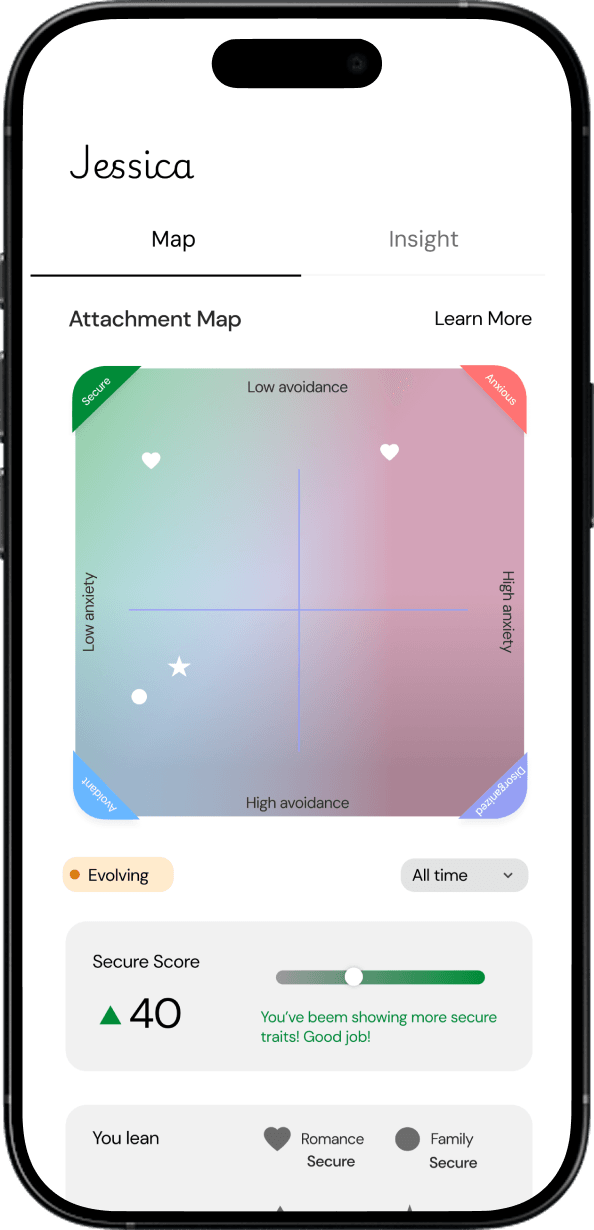
Relationships: look for someone who mentions attachment work in their bio. My coach told me the parts that show up in relationships, like the one that texts back in four seconds, tend to respond fast to this work. I'd start journaling about that part before the first session, so you can describe it instead of just feeling it.
Work: ask if they do perfectionism and inner critics. That 11pm email part is usually where mine starts. A 2-week challenge on shame is a good place to start while you're still choosing a coach, since that's usually what's underneath the perfectionism.
Burnout: burnout usually comes with a part that won't let you rest even when you're finally on the couch. My coach was booked out three weeks when I found her, and personalized IFS meditations were what I actually used in the gap.
Lost in life: this one's the vaguest, so I'd say exactly that on the consult call. Something like "I can't even tell you what's wrong, I just feel off, and it's been a while." A good IFS person will know where to start with that. If you want to understand the model first, the IFS modules go at your own pace, no consult required.
While you're on the waitlist
Finding the right person took me about a month. Now, this time in between is the best time to start getting to know your parts. Personalized IFS meditations and exercises build from what you journal, so by your first real session you and your parts are already on speaking terms:
- Journaling prompts built for noticing parts
- IFS modules to learn the model at your own pace
- Personalized IFS meditations from your own journal themes
Changing starts when the page asks a better question.
Note: this isn't medical advice or therapy, just wellness education. If you're in crisis, reach out to a professional directly.
Related articles
More reading to help this topic connect across the blog.
I spent thousands of dollars so you don't have to. Here's which type of meditation to use for what, from mindfulness to IFS to Ideal Parent Figure.
What to actually say when you sit down with your inner child. The sentences that finally worked after weeks of getting nothing back, what to do when it feels fake, and when to skip it entirely.
Most people put off shadow work journaling because of wrong ideas about what it is. Here are 5 things people get backwards, and an easier way to start.
Most of the changing happens outside the therapy room. A memoir about Tuesday spirals, therapy homework, and the between-session practice that finally made the pattern real.
Understand your attachment style
Read the full guide to each attachment style, or take the quiz to find yours.