Obsession (2025): The Psychology of Wanting to Be Chosen — Anxious Attachment and Limerence
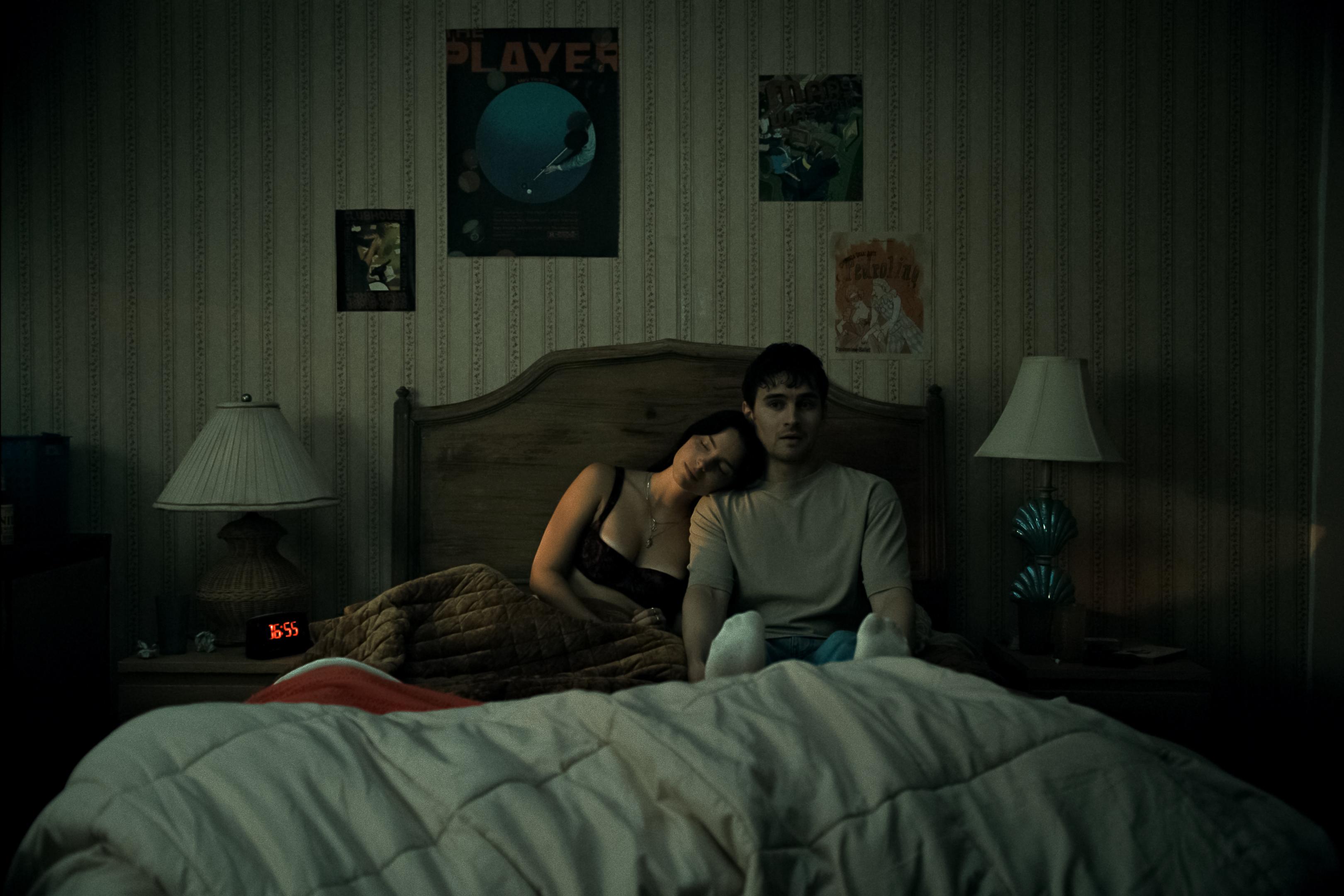
If your feed has been full of Obsession (2025) — the sleeper horror hit about a guy who gets a cursed object to make his crush fall for him — you've probably noticed something. People aren't just talking about the scares. They're talking about how uncomfortably familiar the wanting feels.
That's not an accident. Underneath the supernatural premise, Obsession is a story about one of the most human cravings there is: the wish to be chosen. And that wish sits at the very center of anxious attachment.
What Obsession (2025) is actually about
Without spoiling the ending: the film follows Bear, who is quietly, painfully in love with his friend Nikki. When he comes into a strange object that seems to grant wishes, he wishes for the one thing he's never been able to earn on his own — for Nikki to love him back. What follows is horror, because the movie takes a fantasy most of us have had and asks: what if you could force it?
Strip away the genre, and the engine of the story is recognizable. Bear doesn't want to harm anyone. He wants to feel chosen, secure, and certain that the person he loves won't slip away. He just can't tolerate the not-knowing. So he reaches for control.
Why it hits a nerve: anxious attachment and the fantasy of being chosen
People with an anxious attachment style crave closeness but live with a low-grade fear that the people they love will leave. When a connection feels uncertain, the anxious nervous system doesn't read "give it space" — it reads threat. The instinct is to move closer: to reassure, to pursue, to fix the gap.
Obsession dramatizes the fantasy that grows out of that fear: if I could just guarantee they love me, the anxiety would finally stop. The cursed object is wish fulfillment for the part of us that's tired of waiting to be picked.
The catch — and the reason the film reads as horror rather than romance — is that love you have to force isn't safety. It's the opposite. Real security comes from being chosen freely and being okay either way. Anxious attachment makes that "either way" feel unbearable, which is exactly why the chase can tip into something darker.
Obsession vs. love: what limerence is
Psychologist Dorothy Tennov coined a word for the obsessive version of romantic longing: limerence. It's the involuntary state of fixating on someone — intrusive thoughts you can't switch off, idealizing them, replaying interactions, and a desperate craving for them to reciprocate so the tension resolves.
Limerence can feel like the most intense love of your life. But it behaves differently from secure love:
- Secure love can sit with uncertainty. It wants closeness but doesn't collapse without constant proof.
- Limerence is powered by anxiety. The other person becomes the only thing that can calm the alarm — so the mind loops back to them, again and again.
Obsession (2025) is, in a sense, limerence turned into a monster. The longing is real and even sympathetic; it's the inability to let it be uncertain that does the damage.
If that description landed a little too close to home, we wrote a full guide to what limerence is, the signs, and why anxious attachment fuels it, plus how to stop limerence once you've named it.
It's not just movies — the research
The film resonates partly because the pattern is well-documented. Research consistently links anxious attachment to obsessive, compulsive relating — and in 2025, increasingly, to how we use technology to chase reassurance.
- A 2025 meta-analysis found that anxious attachment is associated with problematic social media use more strongly than avoidant attachment — insecure attachment drives more intensive, compensatory online behavior (ScienceDirect, 2025).
- A 2025 study in the Journal of Marital and Family Therapy tied attachment anxiety to social media jealousy and electronic partner surveillance — the modern checking, scrolling, and monitoring that erodes relationship satisfaction (Métellus et al., 2025).
- A 2025 paper on attachment and technology found anxious attachment is associated with obsession across digital tools, while avoidant individuals lean toward mistrust (Mindel & Fernando, 2025).
In other words, most of us don't have a cursed object. We have a phone. The "make them love me" wish becomes refreshing their messages, re-reading their last text, and watching who they follow — small rituals that promise certainty and never quite deliver it.
Signs your love might be tipping into obsession
This isn't about labeling yourself. It's about noticing a pattern, gently:
- You can't stop thinking about them, and the thoughts feel intrusive rather than warm.
- Their attention is the only thing that calms your anxiety — and its absence spikes it.
- You monitor, check, or re-read to manage uncertainty.
- You idealize them, and your sense of worth rises and falls with how they respond.
- You'd rather have a painful, uncertain connection with them than a calm one with someone else.
If several of these land, it doesn't mean you're broken — it means your attachment system is doing what it learned to do. (Curious where you fall? Take the free attachment style quiz.)
Moving from chasing toward secure love
The way out of obsessive love isn't to care less. It's to build enough internal safety that you no longer need another person to resolve your anxiety for you.
- Name it for what it is. "I'm not necessarily in love — my attachment system is sounding an alarm." That single reframe creates space between the urge and the action.
- Soothe before you reach. Before you check or text, calm your body first (slow breathing, grounding, a walk). The urge to pursue is loudest when your nervous system feels least safe.
- Build a life outside the longing. Limerence shrinks your world to one person. Reinvesting in friendships, work, and your own interests widens it back.
- Work the underlying pattern. Anxious attachment can shift. In an analysis of 11,793 people working on their attachment with Attached, attachment anxiety fell measurably with consistent practice, and a meaningful share moved toward a more secure pattern (see the research).
It's worth saying plainly: the difference between the love stories we root for and the one in Obsession isn't the intensity of the feeling. It's whether you can let the other person be free — and trust that you'll be okay either way.
If you keep finding yourself drawn to people who pull away, you might also recognize yourself in why avoidants are so attracted to anxious partners or why jealousy flares when your partner gives attention to others.
Attached helps you understand the patterns underneath obsessive love — anxious attachment, limerence, and the chase — and practice a calmer, more secure way of connecting, with guided journaling, personalized meditations, and in-the-moment tools. Try Attached for free.
Frequently asked questions
Is Obsession (2025) based on a true story?
No. Obsession is a fictional supernatural horror film written and directed by Curry Barker, about a young man who uses a cursed object to make his crush fall in love with him. The psychology it taps into, however — the longing to be chosen and the fear of not being loved back — is very real.
What attachment style is most associated with obsessive love?
Anxious (preoccupied) attachment is the style most linked to obsessive thinking about a partner. Because the anxious nervous system reads distance as danger, it can fixate on reassurance, closeness, and being chosen. Avoidant and fearful-avoidant patterns can obsess too, but usually from a distance.
What is limerence, and how is it different from love?
Limerence is an involuntary state of intense longing for another person, marked by intrusive thoughts, idealization, and a craving for them to reciprocate. Secure love can tolerate uncertainty and space; limerence is driven by anxiety and the need for the other person to resolve it. One feels expansive; the other feels like a compulsion.
How do I stop obsessing over someone?
Start by naming it as your attachment system sounding an alarm, not proof that this person is "the one." Soothe your nervous system before acting on the urge to check, text, or seek reassurance, build a life and sense of worth outside the relationship, and work on the underlying anxious pattern over time — through reflection, journaling, therapy, or a structured tool.
Related articles
More reading to help this topic connect across the blog.
If Taylor Swift's lyrics hit a little too close to home, you're not alone. New research suggests the songs we love might mirror—and even reinforce—our attachment patterns.
We grew up believing butterflies meant love. Science tells a very different story, one that reveals why so many of us keep falling for the wrong people.
You've read the same text forty times. You check if they viewed your story. Here's how to stop limerence step by step, and why anxious attachment keeps the loop running.
Limerence is the involuntary, all-consuming fixation on one person and whether they feel the same. Here's what it is, the signs, how it differs from love and a crush, why anxious attachment makes it so much worse, and how it ends.
Understand your attachment style
Read the full guide to each attachment style, or take the quiz to find yours.