Your Relationship Problems is Hurting Your Health, Here's How to Fix It According to Dr. Gabor Maté | Part II

This is a Part II to our series anxious attachment and health. Read Part I here
In order to soothe our nervous system, we need to first recognize when we are in fight-or-flight (anxious attachment activated).
What does it actually mean if our anxious attachment is activated?
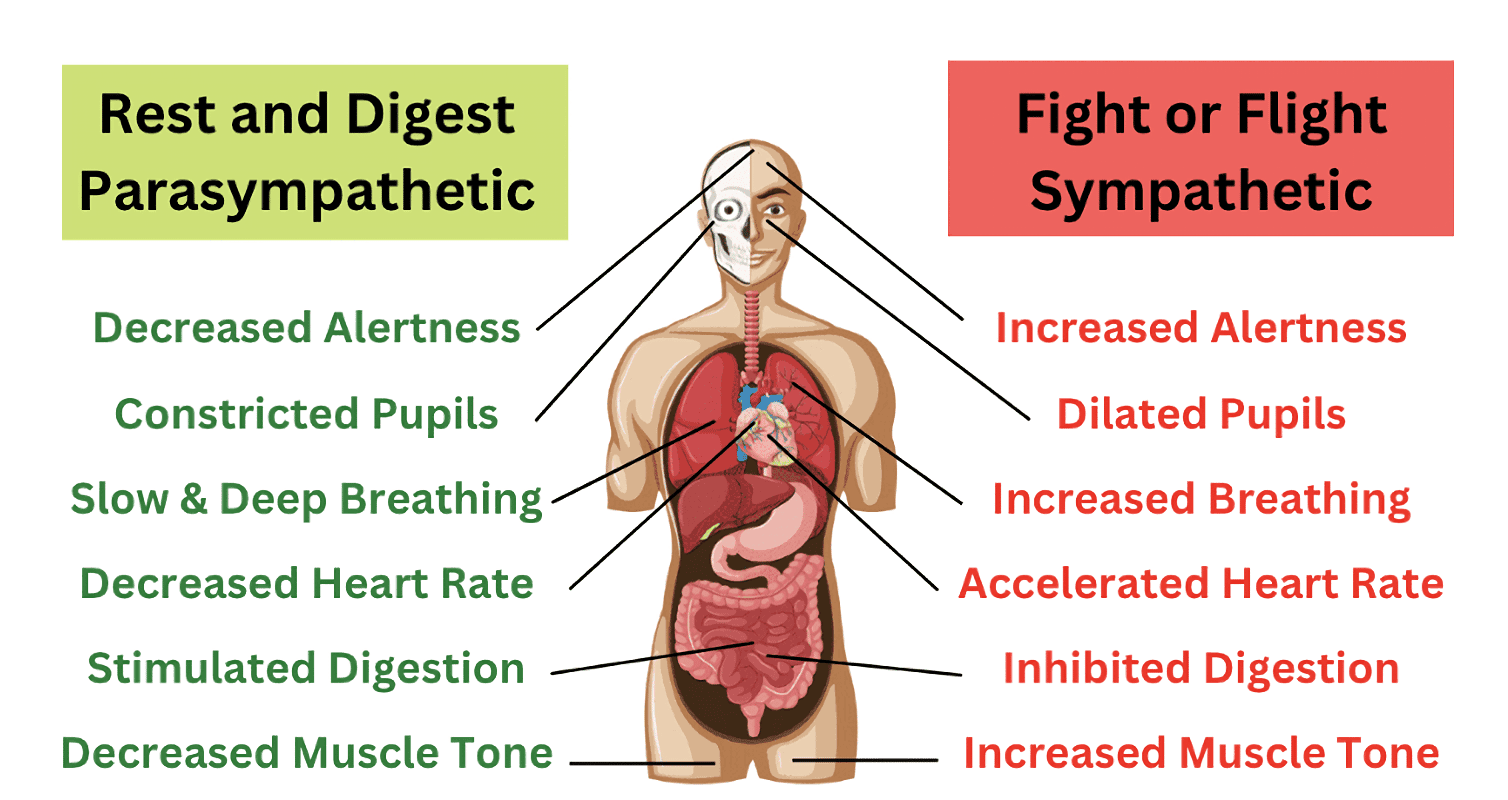
Credit: Carlin Chiropractic
When your anxious attachment is triggered, your nervous system goes into panic mode (because it thinks your life is in danger, even though it's not), activating your fight-or-flight response.
Here's how to know you're triggered:
- Overthinking: Replaying conversations or imagining worst-case scenarios.
- Seeking Reassurance: Constantly texting or checking in with someone to feel secure.
- Fear of Abandonment: Worrying you'll be left or replaced, even without evidence.
- Physical Symptoms: Tight chest, rapid heartbeat, or stomach discomfort.
- Difficulty Focusing: Your mind fixates on the perceived threat, making it hard to concentrate on anything else.
These reactions are your brain's way of trying to protect you. But they stem from old patterns, not present reality.
Why Your Body Reacts Before Your Mind Catches Up
When anxious attachment is activated, the body often reacts faster than conscious thought. A delayed reply can register as danger before you have time to ask, Is this actually unsafe?
That is why logic alone often does not work. You may know your partner is busy while your chest still tightens. You may know one unanswered text is not abandonment while your body prepares for loss anyway.
Healing starts by working with the body, not arguing with it. Once your breathing slows, your muscles soften, and your attention returns to the present, your mind has more room to choose a secure response.
What to do when you're triggered
When you notice your anxious attachment is activated, we'd need to signal to your body that you are physically safe, so that your nervous system can return to normal ASAP.
Grounding Exercises
Grounding brings you back to the present moment.
- 5-4-3-2-1 Technique:
- Name 5 things you see.
- Name 4 things you can touch.
- Name 3 things you hear.
- Name 2 things you can smell.
- Name 1 thing you can taste.
Deep Breathing
Calm your body with controlled breathing.
- Box Breathing: Inhale for 4 counts, hold for 4 counts, exhale for 4 counts, hold for 4 counts.
Journaling
Write down what you're feeling and why.
- Ask yourself: "What is my mind telling me, and is it true?"
Journaling isn't just a coping tool in the moment — in our study of consistent journalers, 38% showed a statistically reliable decrease in attachment anxiety over time.
Movement
Release tension through physical activity.
- Try a short walk, gentle yoga, or stretching.
Self-Soothing
Offer yourself comfort.
- Wrap yourself in a blanket, hold a comforting object, or repeat a calming phrase like, "I am safe."
A 10-Minute Nervous System Reset
Use this when you feel the urge to send another text, check their activity, or make a big relationship decision while activated.
- Minute 1: Stop adding stimulation. Put the phone down and sit somewhere quiet.
- Minutes 2-3: Lengthen the exhale. Breathe in normally, then exhale slowly until your shoulders drop.
- Minutes 4-5: Orient to the room. Look around and name ordinary details: the wall, the floor, the light, the chair.
- Minutes 6-7: Write the trigger. Separate the fact from the fear: They have not replied vs. I am being abandoned.
- Minutes 8-9: Choose one secure action. Wait, ask directly, take a walk, or return to a task.
- Minute 10: Reassess. If the urgency is lower, respond. If the urgency is still high, repeat the body step before talking.
This kind of reset does not erase anxious attachment overnight. It gives your nervous system repeated evidence that fear can rise and fall without controlling your behavior.
What Gabor Maté Recommends for Healing
Dr. Gabor Maté, a trauma and attachment expert, emphasizes that true healing requires addressing the root causes of anxious attachment.
Here's what he recommends for healing:
Cultivate Self-Compassion
Maté teaches that healing starts with kindness toward yourself.
- Stop blaming yourself for your attachment wounds - they are not your fault.
- Practice self-talk that acknowledges your pain without judgment.
Seek Safe Connections
Healing happens in relationships where you feel safe and supported.
- Look for people who respect your boundaries and show consistency.
- Engage in co-regulation - calming through another's presence.
Address Past Trauma
Unresolved trauma keeps the nervous system dysregulated.
- Work with a trauma-informed therapist to process painful memories.
- Explore body-based therapies like somatic experiencing to release stored stress.
Reconnect with Your Body
Maté emphasizes the importance of tuning into your physical sensations.
- Practice mindfulness to notice how your body reacts to stress.
- Use breathing exercises and movement to reconnect with your sense of safety.
Focus on Boundaries
Setting clear, healthy boundaries teaches your nervous system that relationships can be safe.
- Start small by saying "no" when something feels overwhelming.
- Remember: boundaries protect your peace, not push others away.
Recognizing when your anxious attachment is triggered and taking steps to calm your nervous system are acts of self-love. As Dr. Maté reminds us, healing isn't about fixing yourself. It's about creating a new relationship with your past, your emotions, and your connections.
What Healing Looks Like in Real Relationships
Healing does not mean you never feel anxious again. It means the anxiety no longer decides how you act.
In real relationships, healing may look like:
- Saying, I feel triggered and I need a moment instead of accusing your partner.
- Asking for reassurance once, clearly, instead of testing them repeatedly.
- Noticing when you want to chase, then choosing to regulate first.
- Setting a boundary without using distance as punishment.
- Repairing after conflict instead of pretending nothing happened.
These are small shifts, but they matter because attachment is learned through repetition. Every regulated conversation gives your body new evidence that closeness can be safe.
How the Attached App Can Help
The Attached app makes fixing your anxious attachment easier by being the No.1 attachment-powered all-in-one app:
- Daily Quests: Unlock daily quests designed to help anxious attachment and level up
- Help Mode: Access psychology-backed tools for self-soothing when you feel triggered.
- Intelligent AI Journal: Unlock your hidden patterns and get personalized suggestions as you journal
- Weekly Insights: Eden - your relationship coach intelligently analyzes your journals and voice sessions to help break down patterns and insights
Recognizing when your anxious attachment is triggered and taking steps to calm your nervous system are acts of self-love. As Dr. Maté reminds us, healing isn't about fixing yourself - it's about creating a new relationship with your past, your emotions, and your connections.
FAQ
Why does anxious attachment feel physical?
Anxious attachment activates the stress response. That can create a tight chest, nausea, racing thoughts, shallow breathing, or a strong urge to act immediately. The body is preparing for danger even when the relationship threat is uncertain.
What should I do before texting for reassurance?
Pause for a few minutes, regulate your breathing, and write down the fact versus the fear. If you still need reassurance, ask directly and specifically instead of sending a protest message.
Can nervous system work heal anxious attachment?
Nervous system work can help, especially when combined with secure communication, therapy, self-compassion, and safer relationships. It helps your body tolerate uncertainty long enough for you to choose a new response.
Related reading
Related articles
More reading to help this topic connect across the blog.
If you think anxious attachment only impacts your romantic relationships, think again! Discover how healing anxious attachment also heals your nervous system and save you from chronic stress, backed by research from Dr. Gabor Maté.
Your relationship problems are bigger than you think - it may directly impact your long-term health. From brain development to your immune system and even how you handle pain, attachment plays a bigger role than you think.
What to actually say when you sit down with your inner child. The sentences that finally worked after weeks of getting nothing back, what to do when it feels fake, and when to skip it entirely.
Start 2025 with a fresh mindset. Here are 5 science-backed resolutions to help those with anxious attachment build healthier, more secure relationships in the new year.
Understand your attachment style
Read the full guide to each attachment style, or take the quiz to find yours.