9 Surprising Ways Your Relationship Style Affects Your Health (According to Science)

Attachment shapes how we feel and leaves lasting imprints on our physical health.
Your attachment style impacts the way you bond, react and love. Not just in romance, but in all of life.
Attachment also plays a role in shaping brain development, immune functioning, and even the way our bodies handle stress and illness.
Why Attachment Can Affect the Body
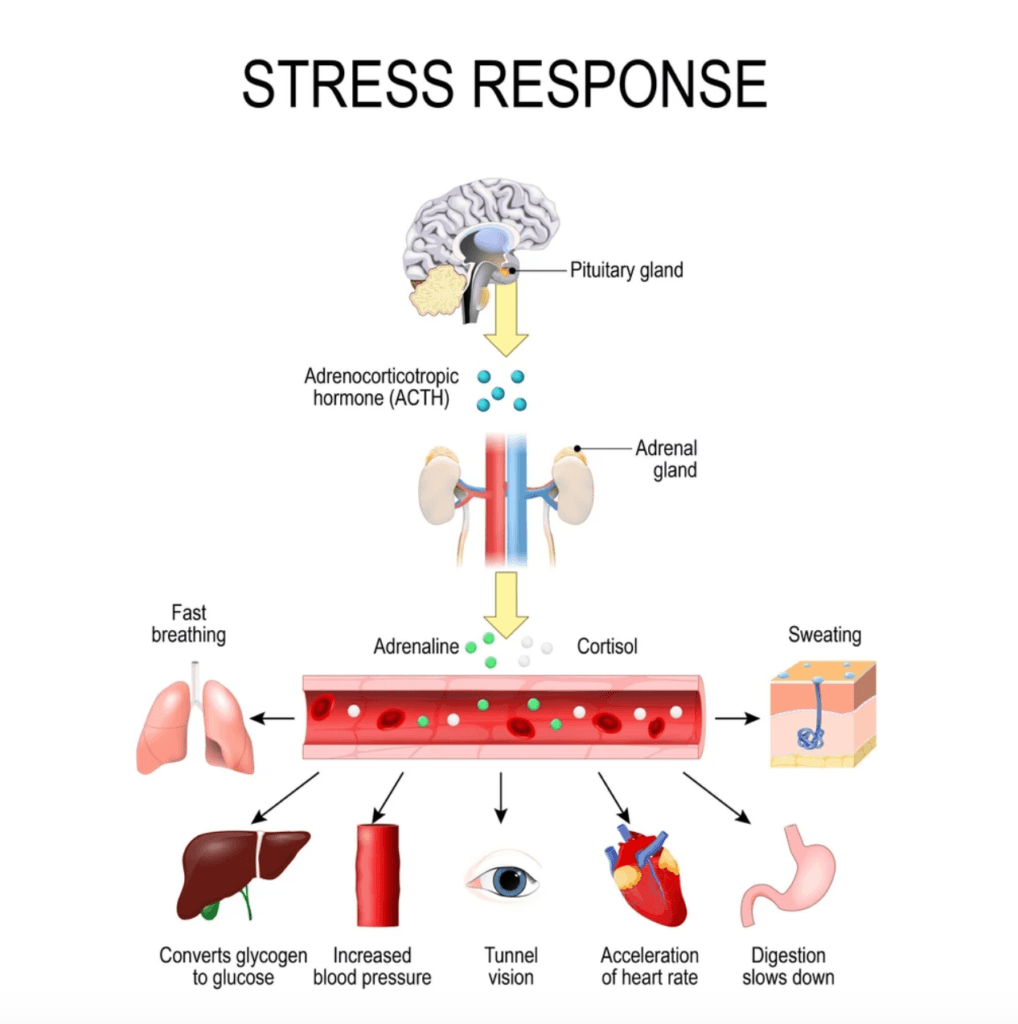
Attachment is not just a relationship label. It is part of the body's safety system.
When a child learns that care is consistent, the nervous system gets repeated practice returning to calm after stress. When care is frightening, absent, or unpredictable, the body may stay on alert for longer. Over time, that can shape sleep, inflammation, pain sensitivity, and the way the brain interprets threat.
This does not mean your attachment style determines your health. Genetics, environment, medical care, nutrition, movement, and social support all matter. But attachment can influence how often the body enters stress mode and how easily it comes back down.
1. Early Attachment Shapes Brain Development
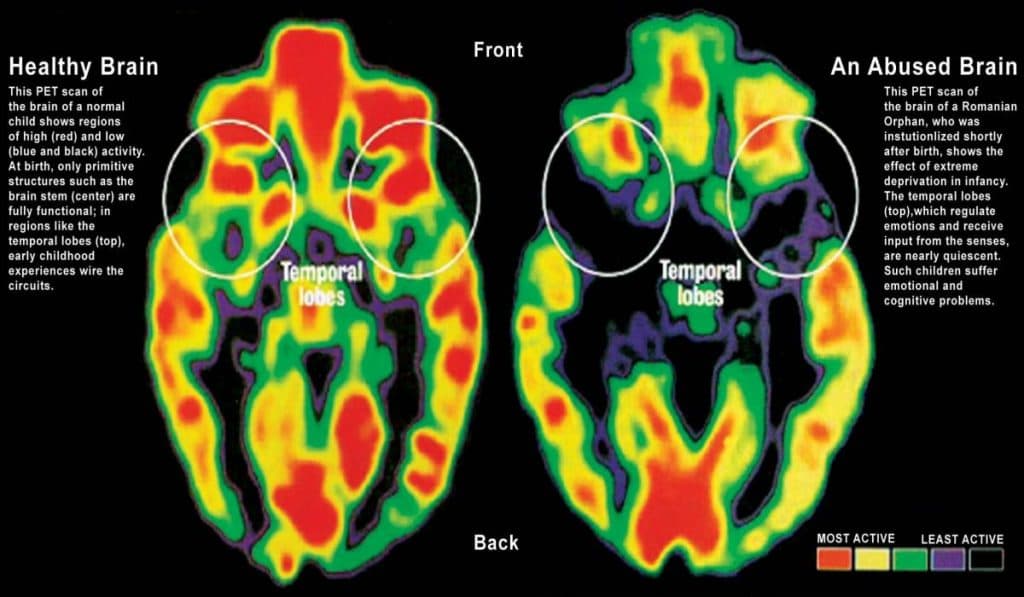
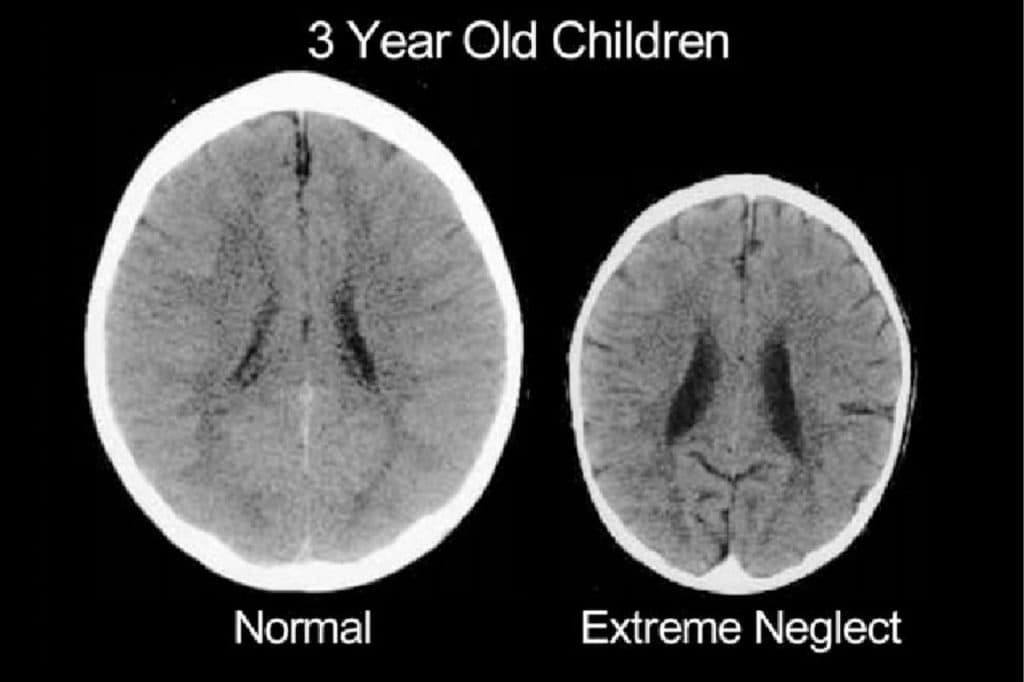
Attachment plays a major role in how children's brains develops.
- Secure attachment - helps the brain grow stronger in areas tied to emotion regulation and stress management.
- Insecure attachment - can shrink these areas by up to 30%.
Healthy caregiver bonds act as the foundation for emotional resilience, while insecure attachment can create lifelong difficulties in managing stress and emotions.
Source: Dr. H.T. Chugani. Newsweek, Spring Summer 1997
Source: Schore, A. N. (2001). Attachment and the regulation of the right brain.
2. Attachment Impacts Immune System Functioning
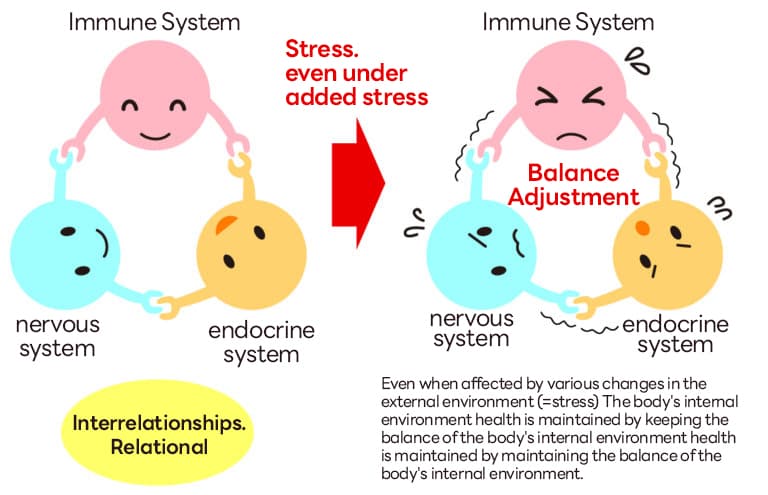
- Secure attachment - healthier immune responses and lower levels of stress-related inflammation
- Insecure attachment - triggers stress hormones that can cause chronic inflammation, leading to long-term health problems.
Source: Ehrlich, K. B. (2019). Attachment and psychoneuroimmunology: A lifespan perspective.
3. Insecure Attachment Increases Risk of Autoimmune Diseases
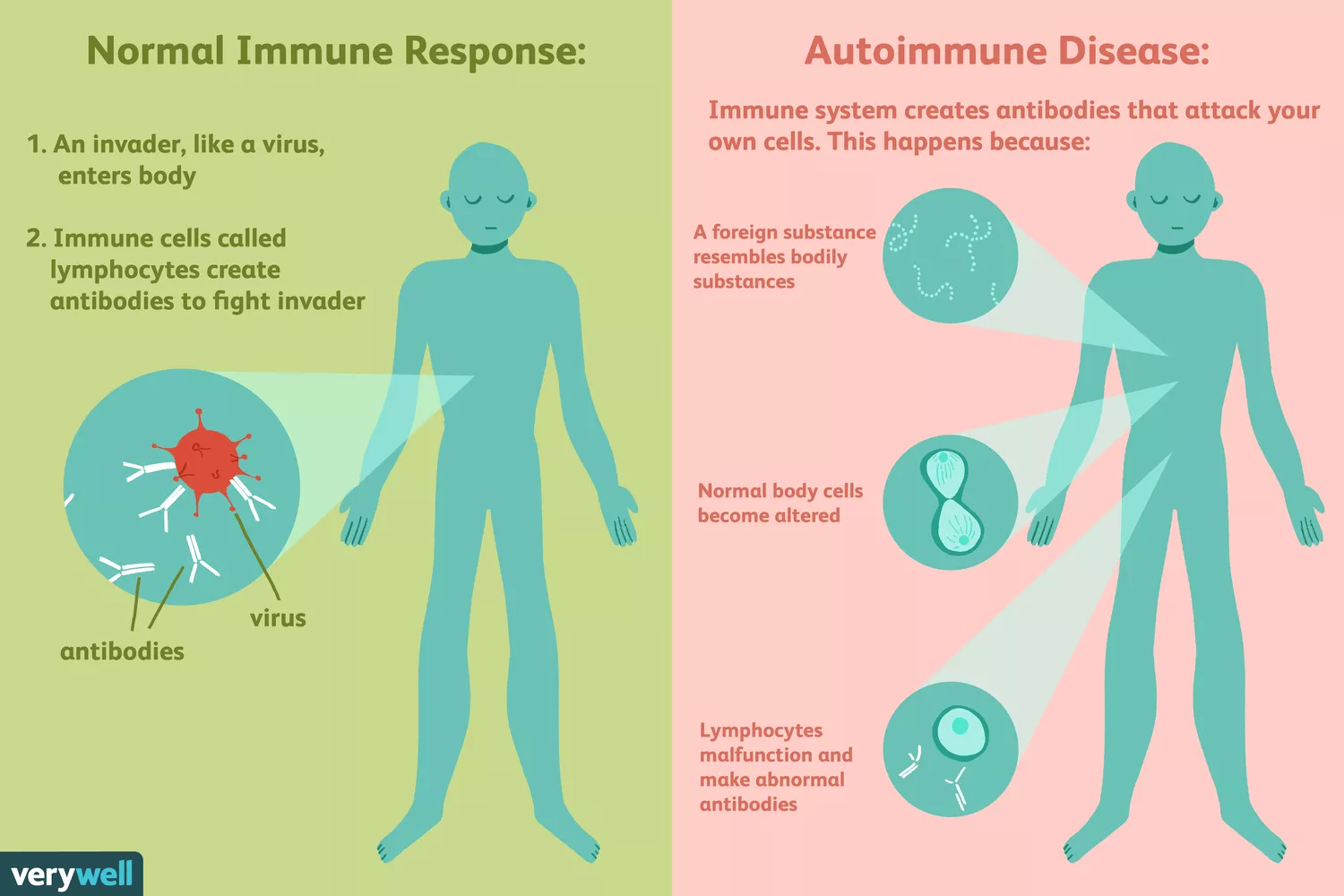
People with insecure attachment are much more likely to develop autoimmune conditions. This connection shows how deeply our early relationships shape the way our bodies function.
Source: Huysse-Gaytandjieva, A. (2018). Compassion Focused Therapy and autoimmune conditions.
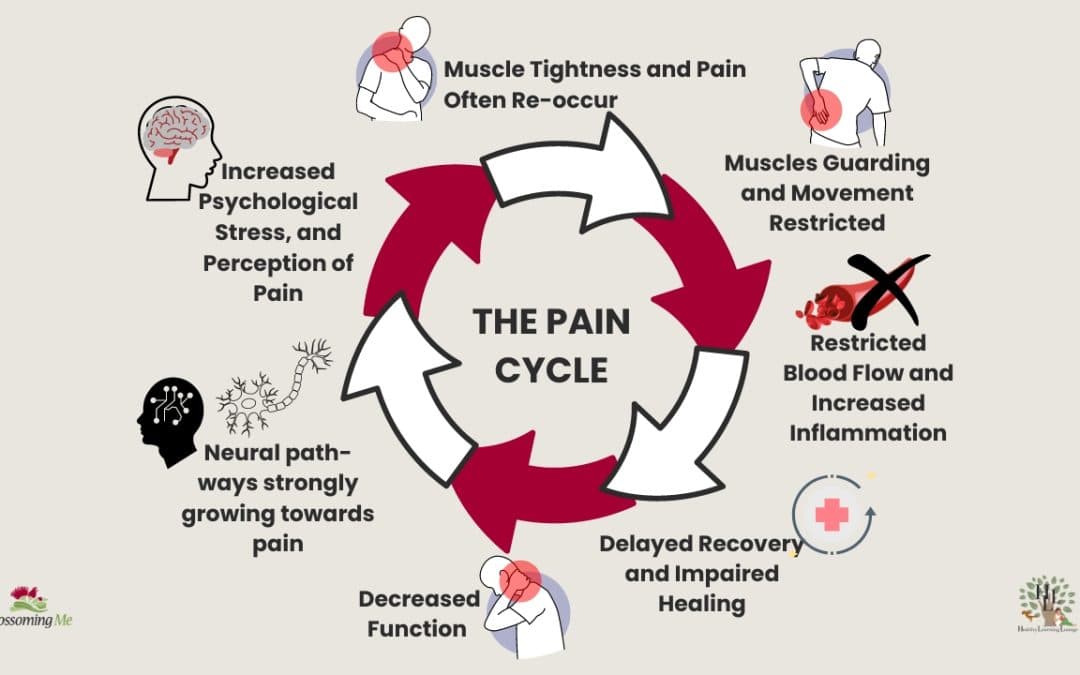
4. Attachment Influences Pain Perception
Pain is physical and emotional.
- Securely attached: better pain tolerance
- Anxious attachment: experience pain more intensely and for longer periods.
Our attachment deeply influences the way our nervous system interprets and responds to discomfort.
Source: Meredith, P. J., Ownsworth, T., & Strong, J. (2008). Adult attachment theory and chronic pain.
5. Secure Attachment Is Associated with Increased Longevity
Strong, secure relationships can extend your life by up to 50%, a benefit comparable to quitting smoking. Secure attachment fosters a sense of safety and emotional stability, which reduces stress and supports physical health over a lifetime.

Source: Holt-Lunstad, J., Smith, T. B., & Layton, J. B. (2010). Social relationships and mortality risk.
6. Attachment Disruption Linked to PTSD-Like Stress in Children
When children experience severe attachment disruptions, such as neglect or loss, their stress response mimics PTSD patterns seen in war veterans. This toxic stress can have lifelong impacts, increasing vulnerability to emotional and physical health challenges.
Source: Van Hoof, M. J., et al. (2015). Adult attachment interview differentiates adolescents with childhood sexual abuse.
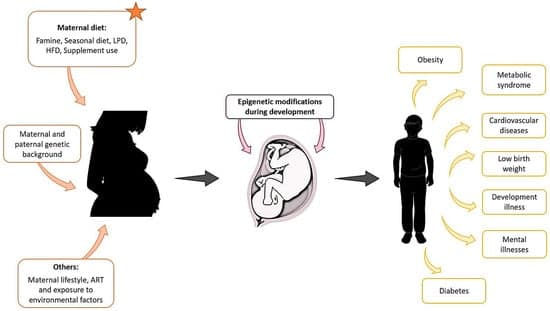
7. Early Attachment Affects Future Generations
Attachment goes beyond the present moment and can even influence future generations. The bonds formed with caregivers can activate or deactivate certain genes, a process known as epigenetics. These changes can impact health outcomes for one person and their descendants.
Source: Vrticka, P. (2018). Towards the epigenetics of human attachment.
8. Secure Attachment Linked to Better Cardiovascular Health
Secure attachment in childhood lays the groundwork for better heart health later in life. Studies show lower blood pressure and reduced risk of heart disease among those who experienced secure bonds with caregivers.
Source: Maunder, R. G., & Hunter, J. J. (2001). Attachment and psychosomatic medicine.
9. Disrupted Attachment Increases Vulnerability to Addiction
Early attachment shapes the brain's stress and reward systems. When attachment is disrupted, the risk of addiction rises dramatically - up to 4.5 times higher. This highlights the importance of healthy bonds in building resilience against harmful coping mechanisms.
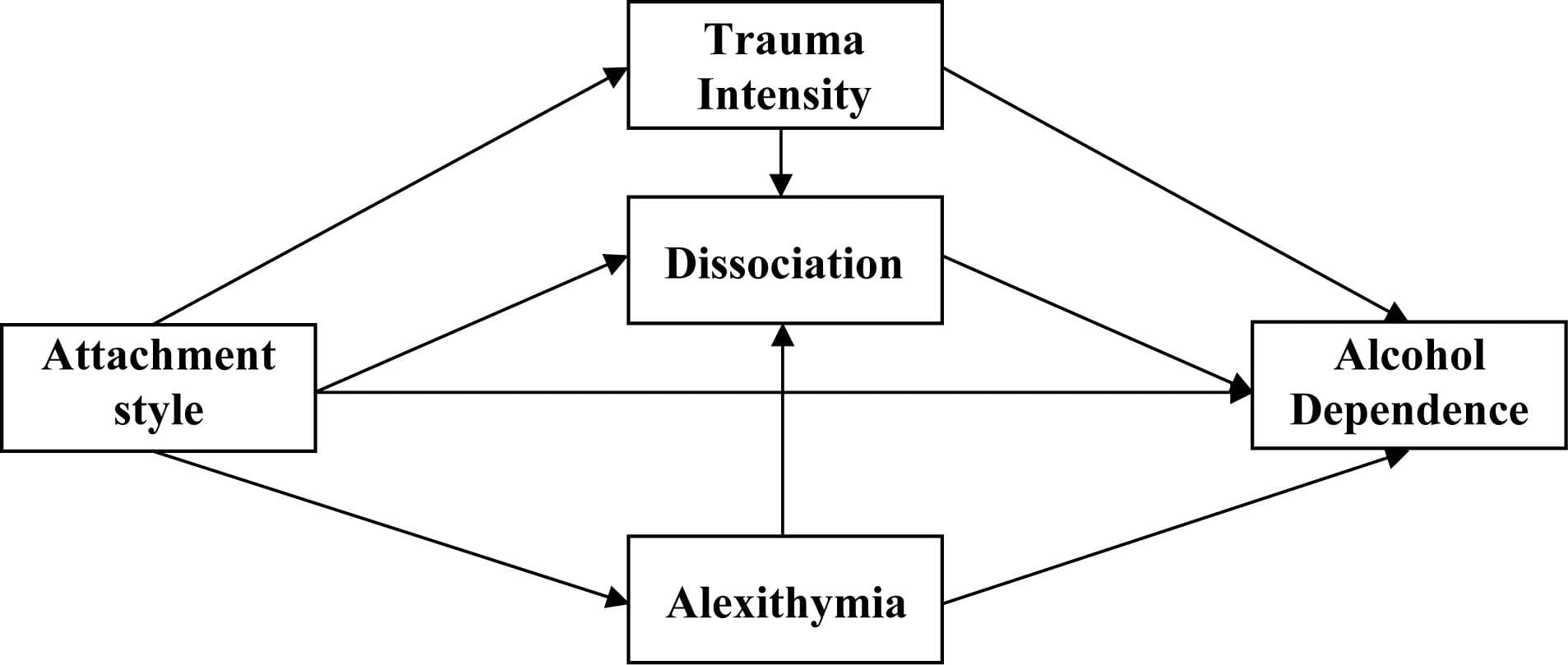
Source: Schindler, A., & Bröning, S. (2015). Attachment and adolescent substance abuse.
How the Attached App Can Help
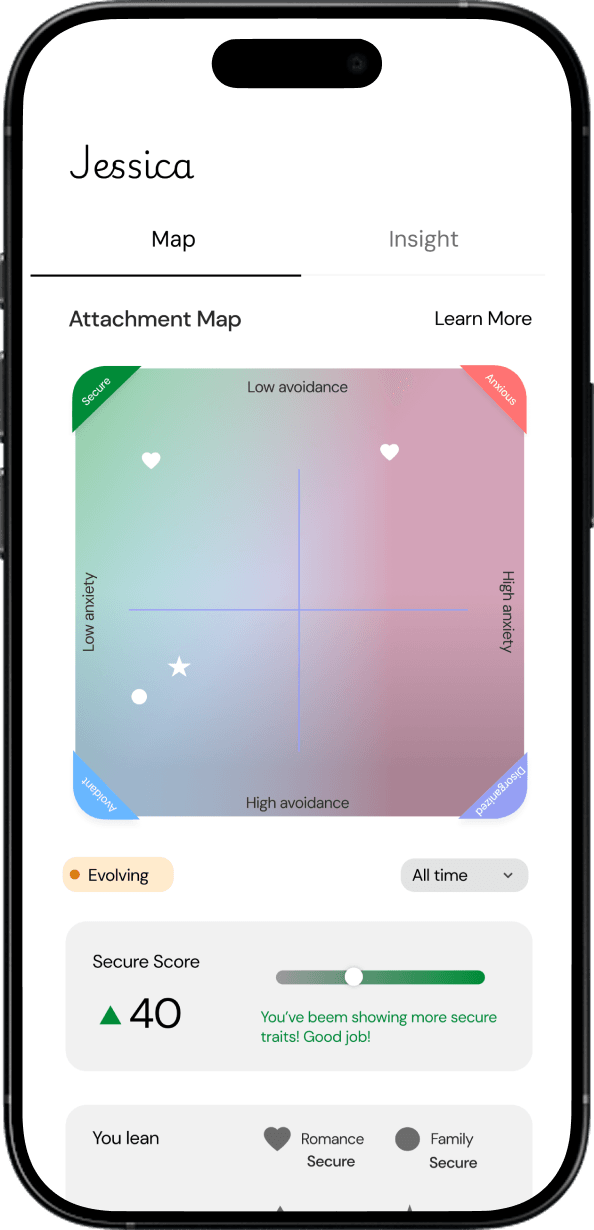
The Attached app makes fixing your anxious attachment easier by being the No.1 attachment-powered all-in-one app:
- Daily Quests: Unlock daily quests designed to help anxious attachment and level up
- Help Mode: Access psychology-backed tools for self-soothing when you feel triggered.
- Intelligent AI Journal: Unlock your hidden patterns and get personalized suggestions as you journal
- Weekly Insights: Eden - your relationship coach intelligently analyzes your journals and voice sessions to help break down patterns and insights
Healing attachment wounds improves relationships and gives your body the chance to thrive. By creating secure bonds and calming the nervous system, you can build a foundation for better physical and emotional health, one step at a time.
How to Use This Information Without Blaming Yourself
If you recognize yourself in anxious, avoidant, or disorganized attachment patterns, the point is not to blame your childhood or blame yourself. The point is to understand why your body reacts the way it does.
Insecure attachment is an adaptation. It helped you survive a certain emotional environment. Anxious attachment tries to keep connection close. Avoidant attachment tries to keep vulnerability under control. Disorganized attachment may swing between both because closeness once felt both needed and unsafe.
Healing starts when you stop treating those reactions as personality flaws and start treating them as learned protection strategies that can be updated.
Practical Steps for a More Secure Nervous System
You do not have to become perfectly secure before your body benefits. Small, repeated experiences of safety matter.
Try:
- Name your attachment trigger. Notice whether you tend to panic, withdraw, shut down, or people-please.
- Build predictable routines. Sleep, meals, movement, and regular check-ins reduce background stress.
- Practice direct communication. Clear requests are less stressful than guessing, testing, or suppressing.
- Choose regulated support. Spend more time with people who are consistent, respectful, and emotionally steady.
- Repair after conflict. The body learns safety when conflict is followed by accountability and reconnection.
These steps are not a replacement for medical or mental health care. They are daily signals that help your nervous system learn: connection can be safe.
FAQ
Can attachment style really affect physical health?
Research suggests attachment patterns are linked with stress regulation, inflammation, pain, cardiovascular health, and health behaviors. Attachment is one factor that can influence how the body responds to stress over time.
Can adults change their attachment style?
Yes. Attachment can become more secure through consistent relationships, therapy, self-awareness, nervous system regulation, and repeated secure behaviors. The change is usually gradual, not instant. In journaling data from 11,793 people, attachment anxiety fell about 0.15 on average among consistent journalers.
Does insecure attachment mean I will get sick?
No. Insecure attachment is a risk factor, not a diagnosis or prediction. Many people with insecure attachment build healthy relationships and healthy bodies, especially when they get support and learn regulation skills.
Related reading
Related articles
More reading to help this topic connect across the blog.
If you think anxious attachment only impacts your romantic relationships, think again! Discover how healing anxious attachment also heals your nervous system and save you from chronic stress, backed by research from Dr. Gabor Maté.
What if your relationship fights were silently damaging your body, just like smoking a pack a day? Science is revealing a hidden health threat that might be living right in your bedroom.
Learn the signs of your anxious attachment, how to stop feeling that pain. Discover expert-backed tips from Dr. Gabor Maté on how to heal your nervous system and transform your relationships.
If Taylor Swift's lyrics hit a little too close to home, you're not alone. New research suggests the songs we love might mirror—and even reinforce—our attachment patterns.
Understand your attachment style
Read the full guide to each attachment style, or take the quiz to find yours.