10 Valentine’s Prompts That Help You Fall In Love Again

You’ve heard of the 36 Questions to Fall In Love. But what about those who are in a relationship already?
I present: 10 questions that help you rewrite your relationship - give you a free couples therapy session, and shift your relationship trajectory.
Pair them with something low-pressure, like dinner at home or a free digital bouquet you can send before the conversation starts.
The psychology these questions are based on
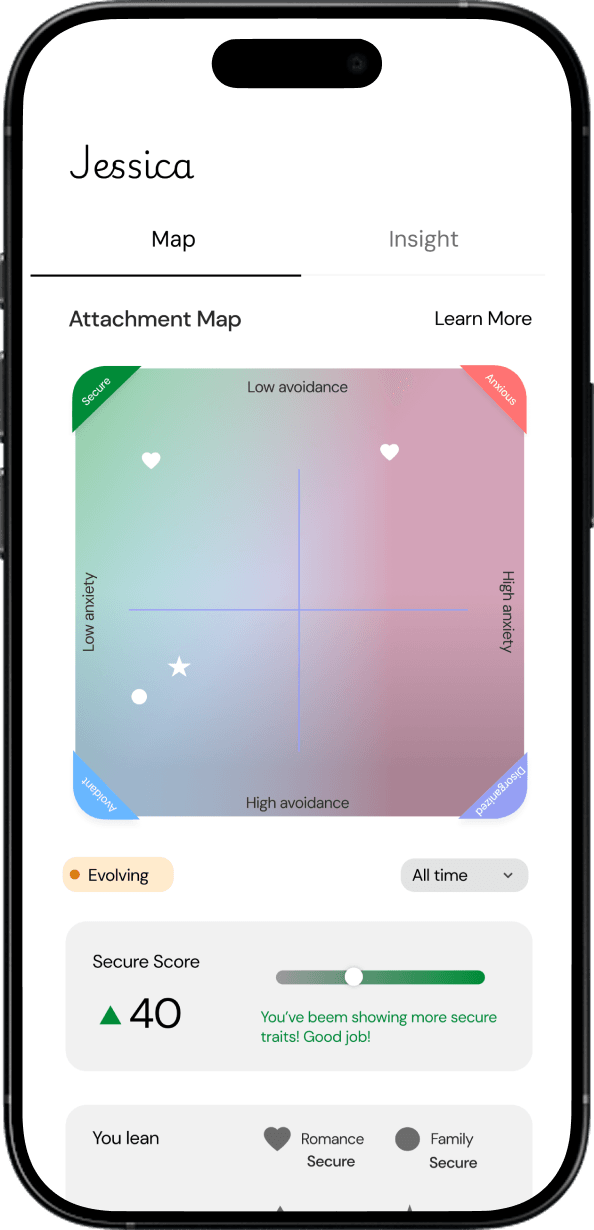
Attachment theory consists of the four styles: secure, anxious, avoidant and disorganized.
Secure - You can ask for help and receive help. You feel safe both alone and together. You can stay present when things feel hard.
Anxious - You have a fear of abandonment. You’re scared of people leaving you. People tend to say you’re a bit “clingy”. You’re always asking, “do you still love me?”
Avoidant - You find it hard to express emotions. You tend to suppress it all down. You love your independence
Disorganized - You’re fear of love. You might say “I love you”, then hide in shame
Your attachment style impacts the longevity of your relationships.
But plot twist: your attachment style can also change!
Question One
When did you feel most loved by me in the last year?
Why this question?
- It asks for a specific memory - a form of self-disclosure. When partners share experiences and emotions, relationship satisfaction goes up.
- It tells you what actually makes them feel loved by them. Not what social media or your mother says
- It helps you both feel gratitude
Question Two
What did love look like in your childhood home?
Example:
- “Love looked like my mom staying up until I got home”
- “Love looked like my parents ensuring I never had to go hungry or worry about money”
Why this question?
- It helps you understand why:
- Your partner react the way they do
- Why they fear the way they do
- What “love” or “love languages” mean to them - i.e. is it big gifts or emotional or physical safety?
- How does your current relationship repeat those scenes?
Question Three
What’s one thing I do that hurts more than I realize?
Why this question?
- It helps you invite your partner’s pain. They’re a human with needs and wants. You show that you can tolerate it. And you signal “I want to be safer for you”
- This exercise helps you name something that trigger your attachment fear and reach for each other differently
It’s important to let any shame or defense rising pass. Take a breath and know that it doesn’t define you
Question Four
What part of yourself do you hide from me?
Why this question?
- Thriving relationships let both partners bring in new sides of themselves. Like: new interests, fears, dreams. But when you hide big parts of yourself, the relationship shrinks.
- Explore it all: ambition, softness, spiritual side, weird hobbies
- Avoidant partners would be taking a huge step by admitting their fears. This should be celebrated!
“So you don’t really trust me?” → “Thank you for telling me that”
Question Five
When you pull away or come closer, what do you need most from me?
Why this question?
- This helps you map out what you usually fight about.
- This helps you understand what each needs during a fight. We can shift from blaming to behavior and understanding what’s the need beneath it
Example:
- When I cling to you, I need you to tell me that you still love me
- When I shut down, I need you to tell me that you won’t leave me
Question Six
What kind of love story do you want us to have in 5 years?
Why this question?
- Partners who share new goals and narratives feel more alive and committed
- Expand on details:
- Where would we/you live?
- How would we fight?
- How do we repair?
- How do we holiday?
- How does physical intimacy feel?
Don’t try to test your partner “Do you even see me in your future?”
Question Seven
What’s one boundary you want to set this year?
Why this question?
- This prompt can help you both create a healthier bond and relationship
- Explore boundaries like: time needed for alone time, phone use, in-law involvement…
- Don’t forget that boundaries doesn’t mean your partner doesn’t love you. It’s the fence that keeps a garden safe.
Question Eight
How can we make conflict feel safer for both of us?
Why this question?
-
When partners create safer emotional cycles, relationship satisfaction rises
Example: less attack, criticism, more soothing.
-
Example: “Let’s rule out ‘you always’ or ‘you never’”
-
It’s normal to fight. But this question prompts you both to repair safer.
Question Nine
Where do you want more play, passion or novelty with me?
Why this question?
- Shared experiences give relationships a fresh sense of growth and excitement.
- Try not to critique your current set up. Stay curious and invite expansion.
Question Ten
What’s one story about us you never want to forget?
Why this question?
- Positive shared narratives support resilience during stress and improve relationship quality
- Shared positive memories strengthen your sense of “we”
Using an attachment app to keep going (beyond Valentine’s Day)
These ten questions can open the door.
But long-term change needs repetition.
This is where a relationship app actually helps. The Attached app can walk you through daily practices that turn secure attachment from a concept into a habit.
You can:
- Daily Exercises for habit-building (gratitude, self-disclosure, repair scripts)
- Self-Soothe Mode for tough emotional moments when your attachment style goes into alarm
- Journal to find hidden emotional and relational patterns over time
- Weekly insights from Eden, your relationship guide, translating attachment science into real-life steps
Download Attached for free and start working toward security
Related articles
More reading to help this topic connect across the blog.
What this little monkey can tell you about your relationships, and why IKEA's plush toy being sold out is worrying
These 7 gift ideas are perfect for the avoidant partner for every occasion
Most people put off shadow work journaling because of wrong ideas about what it is. Here are 5 things people get backwards, and an easier way to start.
If you keep having the same fight, no you don't need a new relationship for 2026. You need to understand each others' fears. This guide will help you shape your 2026 relationship resolutions.
Understand your attachment style
Read the full guide to each attachment style, or take the quiz to find yours.