13 Therapist-Approved Gifts for This Valentine's Day (Science Backed)

Every Valentine’s Day we panic-buy chocolates and flowers, even though refined sugar wrecks our energy and the bouquet dies in a week.
This year, I want us to give gifts that are kind to our bodies and soothing to our psychology.
If you still want the softness of flowers without the wilted bouquet problem, you can also send a free virtual flower bouquet with a personal note by text, email, or WhatsApp.
Here are 11 therapist-approved presents that actually make you feel loved.
1. A Cooling Weighted Blanket
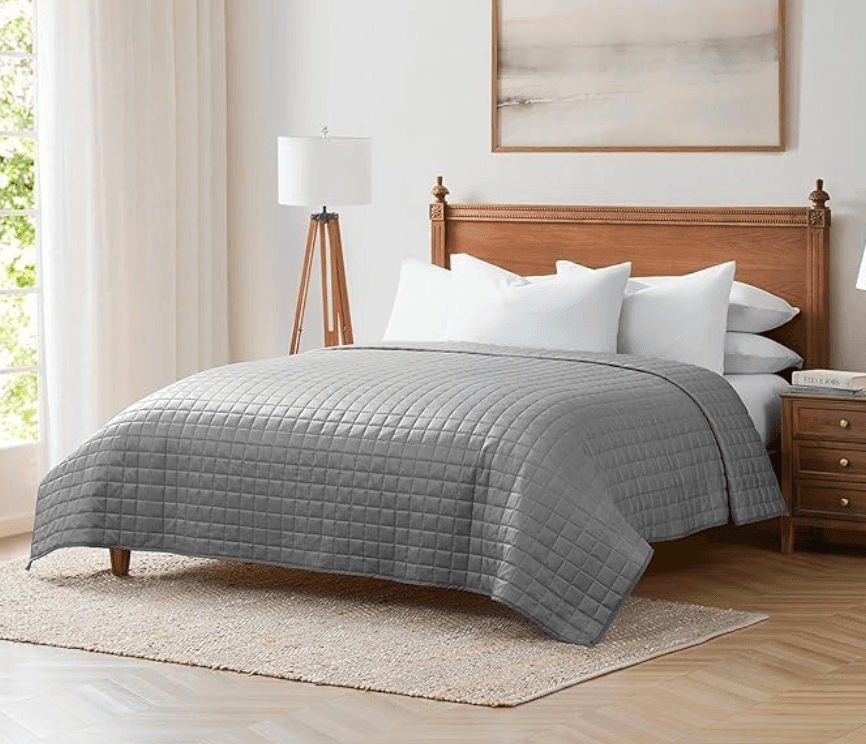
Weighted Blanket for Science-Backed Valentine's Day Present
For the partner whose anxiety spikes at night
A weighted blanket provides deep pressure stimulation, which can help reduce insomnia and daytime anxiety symptoms in some people with mood and anxiety disorders.
Why therapists like it
- For anxious attachment, steady weight feels like a predictable hug
- For disorganized attachment, pressure can ground a nervous system that swings between panic and numbness
What it says to your partner:
Something steady will hold you, even when I’m in the shower, at work, or asleep.
2. A Monthly Pass to Their Favorite Workout Studio
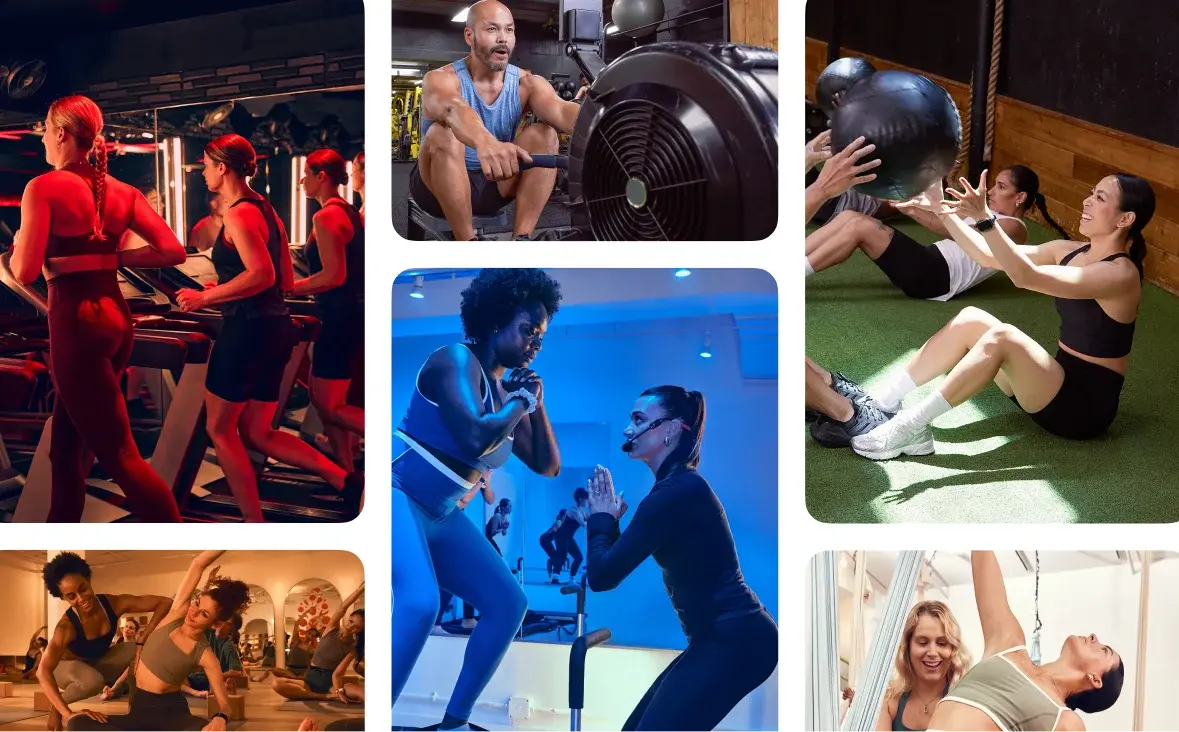
Via Classpass
For the partner whose feelings live in their body
Anxiety often shows up as:
heart racing, stomach knots, scrolling, doom-thinking.
Exercise gives that anxiety a physical exit.
Large meta-analyses and recent reviews show that regular exercise can significantly reduce depression and anxiety symptoms and can be as effective as antidepressants for many people.
Options:
- ClassPass membership – credits they can use for pilates, yoga, strength, spin, and even spa visits.
- Or a pass / package to their favorite local studio
Why therapists like it
- Anxious attachment gets a healthy regulation outlet
- Avoidant attachment can process emotions indirectly through movement, which feels safer than emotional talks
What it says to your partner:
I want your body to feel alive and resourced.
3. A Shared Hobby Starter Kit (Watercolor, Lego, Cooking…)
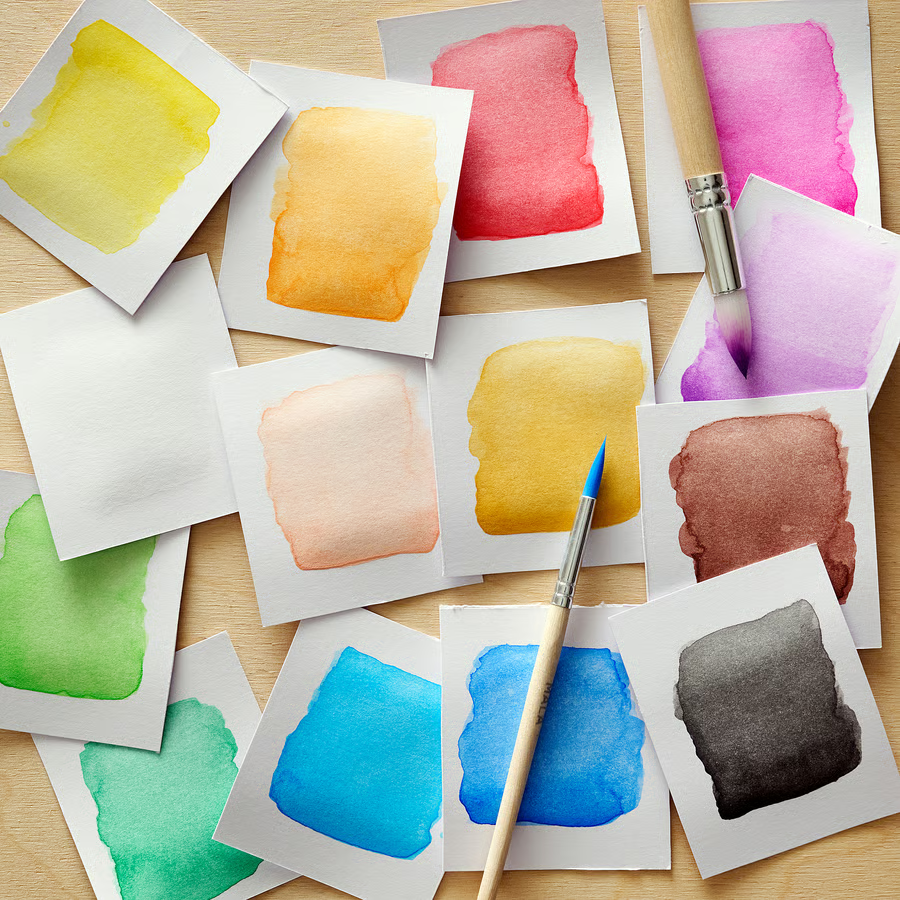
Via Ikea
For partners who connect best side-by-side
Some people shut down when you say, “We need to talk.”
But they open up when you say, “Want to paint with me?”
Try something simple and low-stakes, like a watercolor starter kit.
Ideas:
- A Lego kit
- A simple cooking kit
- A plant-care starter set
Research on attachment and relationships suggests that shared activities and cooperative tasks help build security and positive bonding
Why therapists like it:
- Avoidant partners feel less trapped when connection happens through activity, not interrogation.
- Anxious partners still get proximity and shared time.
What it says to your partner:
We get to be on the same team, not on opposite sides of a fight.
4. Couples Massage Oil Gift Set
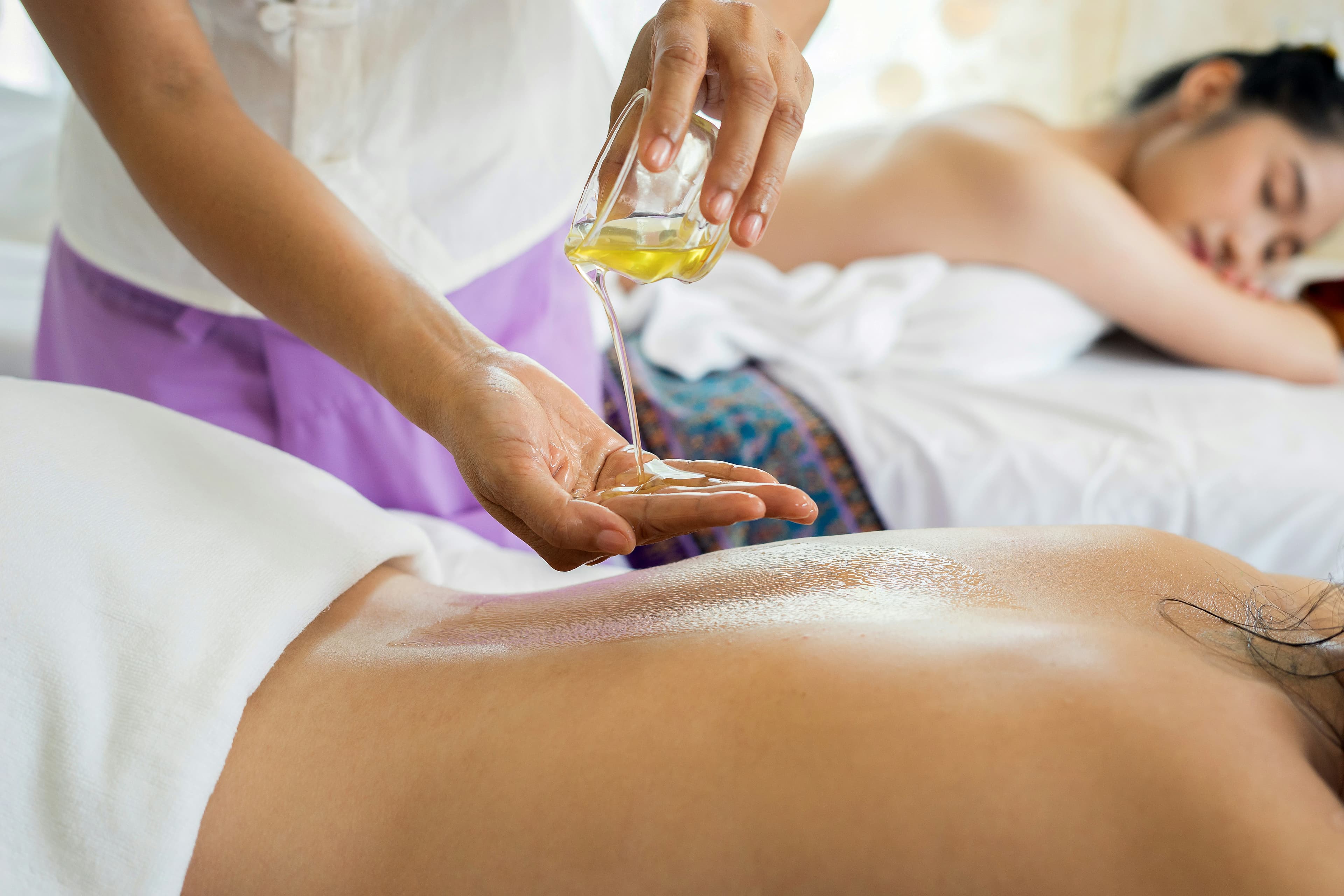
*Photo by alan caishan on Unsplash *
For partners who need safe, attuned touch
Touch is a language.
You ask: “Do you want a 10-minute back massage? No pressure for anything more.”
Research from relationship and sex science shows that affectionate, non-sexual touch (holding hands, cuddling, massage) can boost relationship and sexual satisfaction.
Why therapists like it:
- For anxious attachment, attuned touch helps them feel safe
- For avoidant attachment, a time-boxed, consensual ritual feels safer than clinginess.
5. Attached App – Gift That Stays After Valentine’s Day
Try Attached App now
For anyone with anxious, avoidant, or disorganized attachment (so… most of us)
Flowers last a week, but your attachment patterns last decades
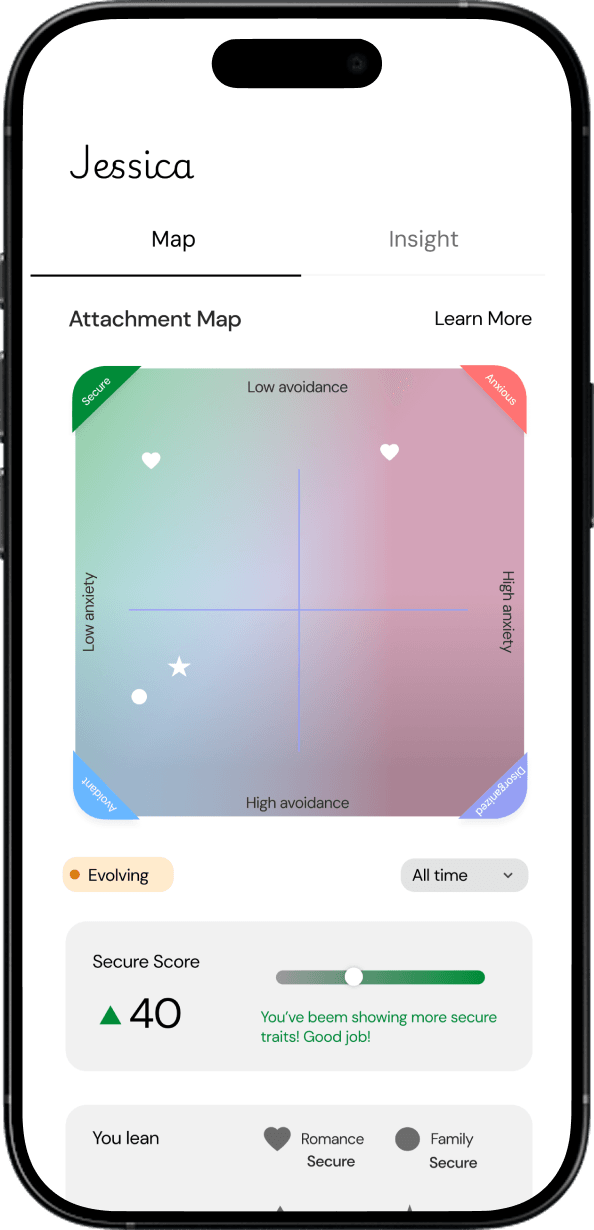
Attached is an attachment style app that acts like a pocket-sized relationship coach. It’s specifically built to help with insecure attachment and relationship anxiety, and is available on both iOS and Android.
Why it’s therapists approved:
- Daily exercises for habit-building in relationships
- Self-Soothe mode for tough emotional moments (waiting for replies, post-fight spirals)
- An AI-powered journal that helps you spot repeating patterns
- Made with research-backed modalities like: Cognitive Behavioral Therapy, mindfulness, Internal Family Systems and more
Attachment research says that we change through repeated corrective experiences - new ways of soothing, new scripts, new choices under stress.
What it says to your partner:
I want to make it work with you. I’m here for all our ups and downs
6. The Seven Principles for Making Marriage Work (Gottman)
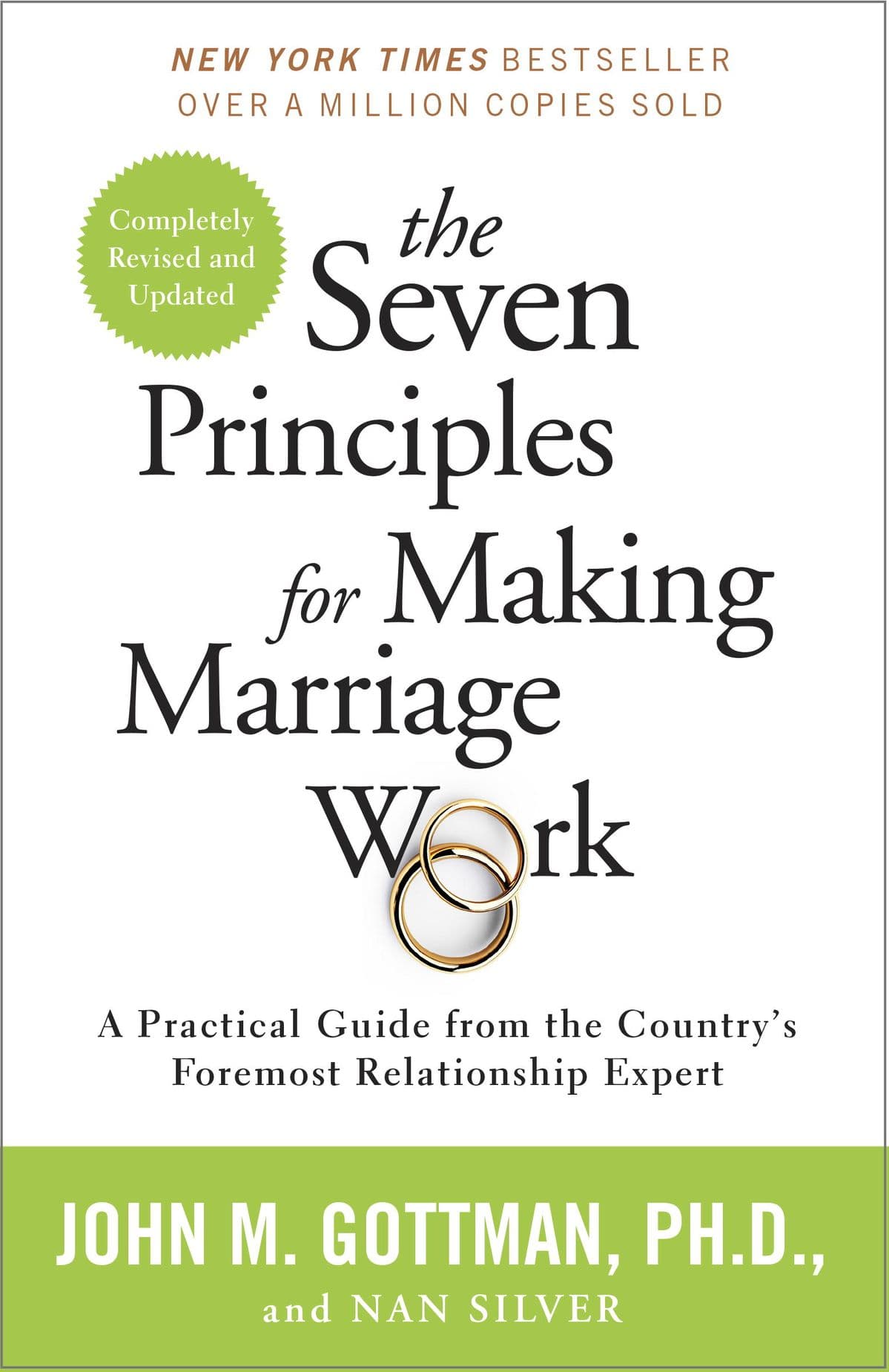
Via the seven principles for making marriage work
For the partner who wants a relationship manual, not vibes
Some couples feel safer when there’s a map.
John Gottman’s research on couples spans decades. This book distills his evidence-based principles for what makes long-term relationships thrive or fall apart.
How to gift it:
-
Write inside the cover:
“I believe in us enough to study us.”
-
Pick one chapter to read together.
-
Schedule one “Gottman date” in your calendars.
Why therapists like it:
- Anxious partners get clear rituals and structure.
- Avoidant partners get external guidance so it’s not all emotional demand from you.
You’re turning your relationship into a shared project, showing that you’re on the same side
7. A DIY “Repair Ritual” Box

Photo by Eugeniya Belova on Unsplash
For couples who fight hard, then go cold
It’s SO normal to fight. But what’s even more important is fast repair (according to Gottman’s)
Create a Repair Ritual Box together. Or gift the pieces.
Physical base:
- A nice keepsake box
What to put inside:
- 2 written apology templates
- A favorite shared snack
- A “time-out” card: “I need 20 minutes to calm myself; I promise I’ll come back.”
- A tiny object that means “repair” (sticker, small plush, stone)
Attachment theory and Gottman’s work both show that repair attempts after conflict predict relationship stability more than how “perfectly” you fight.
Why therapists like it:
- Anxious partners need proof: “Even when we rupture, you move toward me again.”
- Avoidant partners need a structured, lower-shame way to signal, “I’m ready to reconnect.”
What you’re saying to your partner:
“We fight. But we come back.”
8. “Where Should We Begin?” Conversation Game by Esther Perel
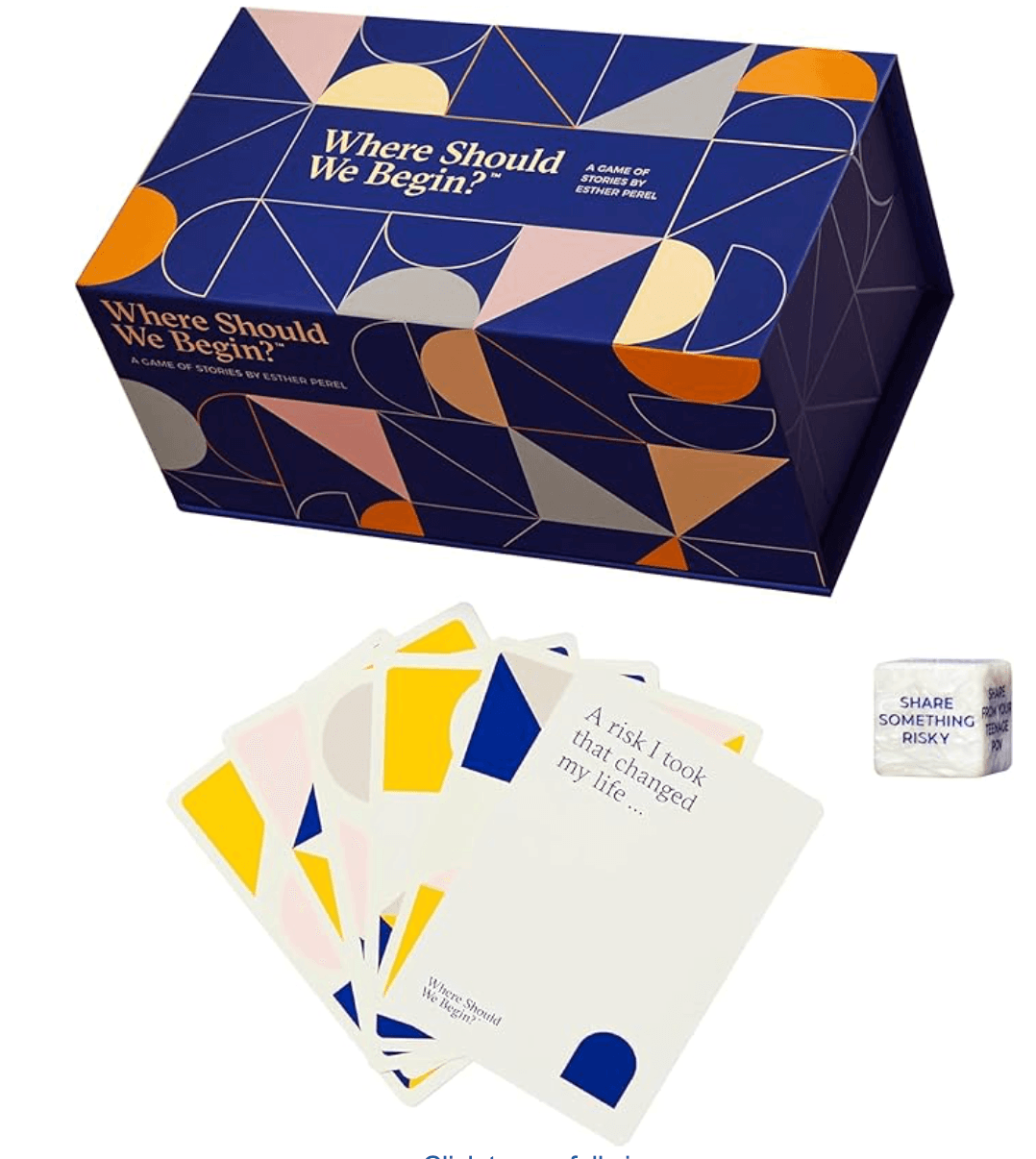
Via Esther Perel
For couples who crave depth but feel awkward starting
Designed by relationship therapist Esther Perel, this game uses prompts to create structured vulnerability and storytelling.
Why therapists like it:
- Great for anxious attachment: lets you ask deep questions without feeling “needy.”
- Great for avoidant attachment: questions come from the deck, not from your partner’s demand.
What it says to your partner:
I’m not afraid of difficult conversations
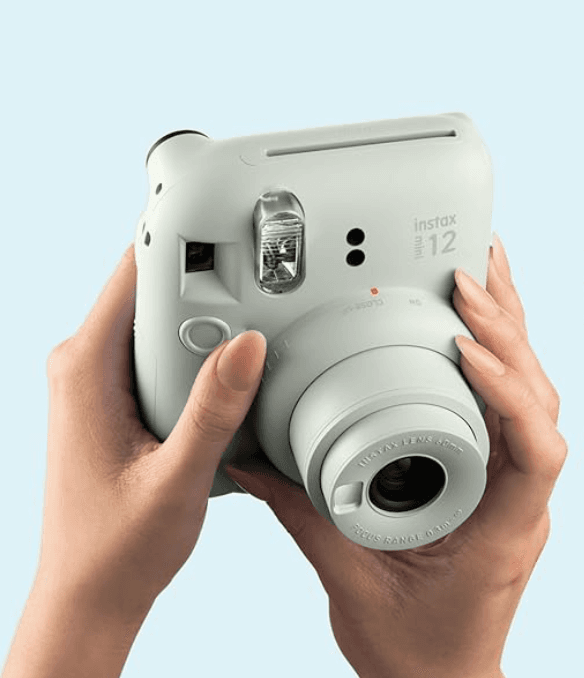
9. A Shared Instant Camera for Micro-Memories
Via Fujifilm
For every type of partner
Instant cameras are simple, playful, and very trendy now. Recent gift guides still rate the Instax Mini 12 as one of the best beginner-friendly instant cameras.
Why therapists like it:
- Anxious partners get physical reminders: “We do have good moments. My brain just edits them out.”
- Avoidant partners can show affection without big emotional talks.
You’re building a visible love map of memories, and not just a log of conflicts.
What is says to your partner:
I want to build evidence that we have loving memories
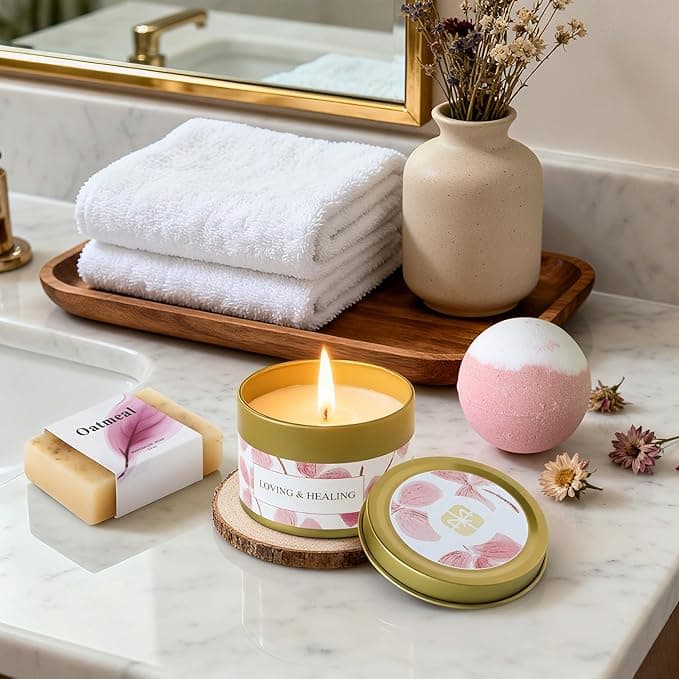
10. A Self-Soothing Spa / Self-Care Gift Box
Via Mirasphere
For the partner who struggles to come down after a trigger
A curated self-care box gives them tools for solo regulation on bad days.
Gift ideas:
- Bath salts / bubble bath
- Scented candles
- Body lotion
- Cozy socks or a mug
- Their favorite tea
- A handwritten card with grounding prompts (“Name 5 things you can see…”)
Why therapists like it:
- Anxious attachment learns: “I can calm myself without asking you to fix me instantly.”
- Avoidant attachment learns: “I deserve comfort, even if I’m not performing strength.”
You’re saying to your partner:
You’re allowed to rest. You’re allowed to be cared for.
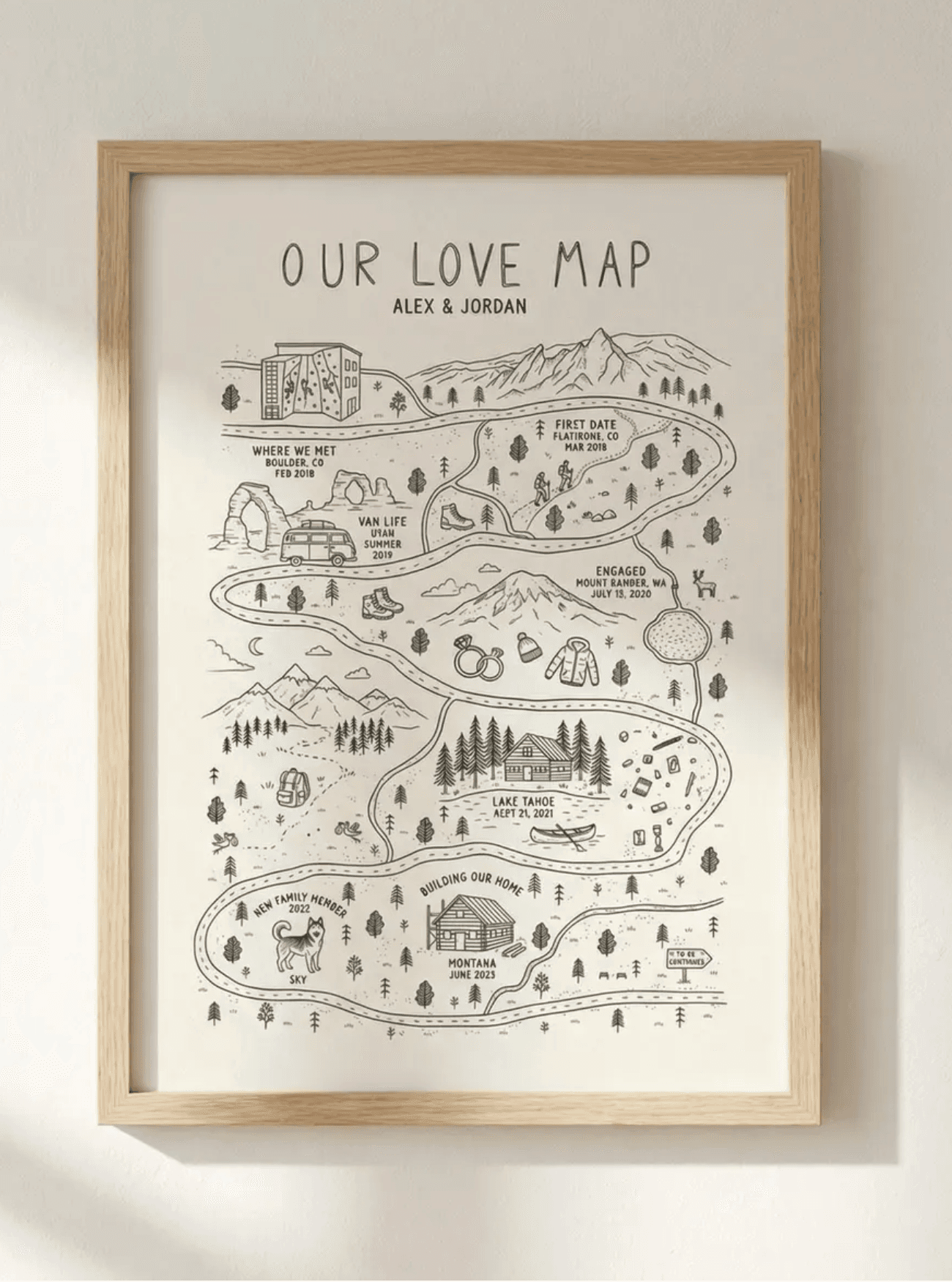
11. A Custom Love Map Print
Via byAliden, Etsy
For all styles who need to feel deeply known
Top relationship psychologist Gottman talks about “Love Maps”: how well you know your partner’s inner world: their dreams, fears, stresses, and joys.
Couples who keep rich, updated love maps tend to have more resilient relationships.
Now you can turn that into a physical object.
You can:
- Mark where you met, first said “I love you,” or moved in.
- Add dates, tiny captions, and in-jokes.
Why therapists approve:
- Anxious partners see: “You remember our story. You’re not casually here.”
- Avoidant partners see: “Someone studied me, my path, my preferences, and still stayed.”
What it says to your partner:
I want to know you deeply, inside and out.
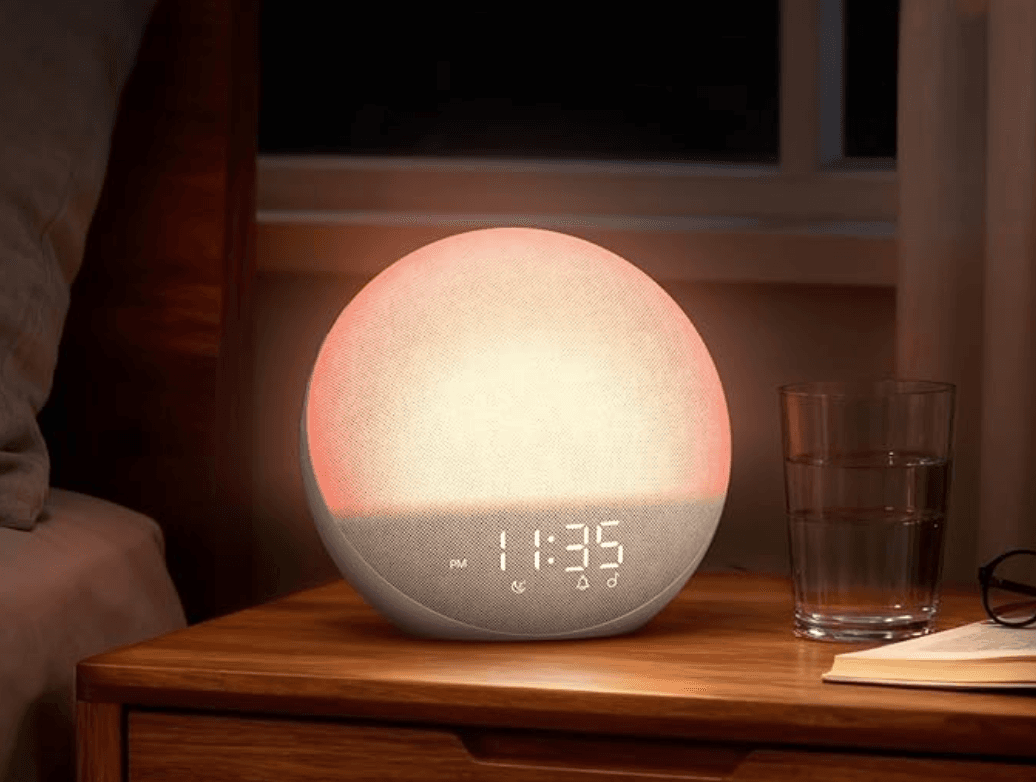
12. Sunrise Alarm Clock for Mornings
Via Odokee
A blaring phone alarm shocks your body.
A sunrise alarm clock slowly brightens the room and can pair with gentle sounds. That gradual light rise can support circadian rhythm and improve mood and wakefulness for some people, especially in dark mornings.
Why it’s therapist approved:
- Anxious partners often wake in a jolt, already flooded. A slow sunrise lowers that morning shock.
- Avoidant partners get a calmer, more predictable start to the day, which lowers overall reactivity.
You’re saying:
I care about how your day starts in your body, not just how it looks on Valentine’s night.
13. Noise-Cancelling Wireless Headphones
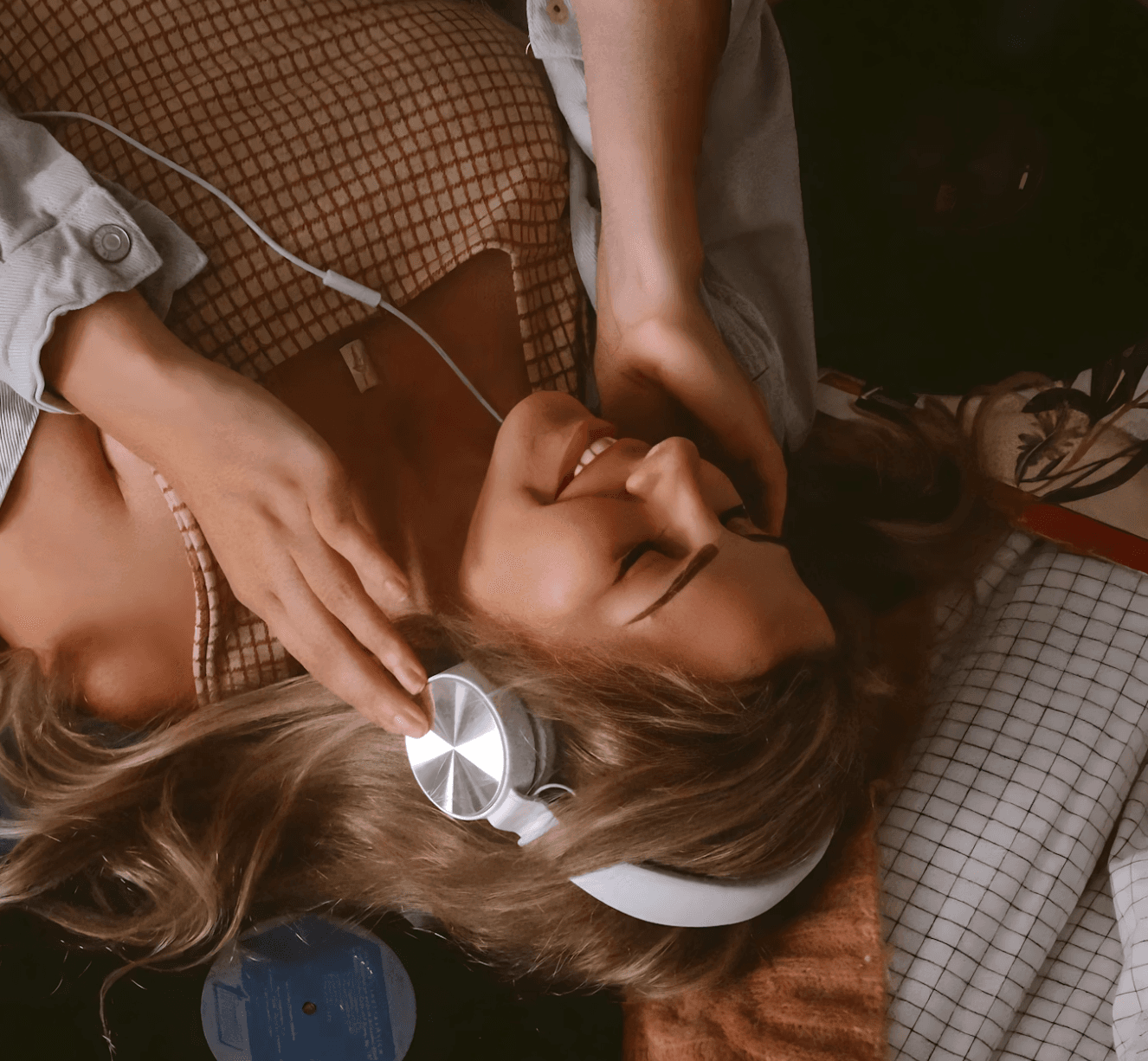
Photo by Paige Cody on Unsplash
For: overwhelmed, highly sensitive, or easily flooded partners
Some people don’t shut down because they “don’t care.”
They shut down because their nervous system is overloaded.
High-quality noise-cancelling headphones let them take mini sensory breaks, which is huge for emotion regulation - especially in loud homes or tiny apartments.
Gift ideas:
- Budget: JBL Tune 720BT Wireless Over-Ear Headphones – budget-friendlier, solid sound, wireless.
- Splurge: Sony WH-1000XM6 (top-tier noise cancelling, very comfy).
Why it’s therapist approved:
- Avoidant partners can regulate their system with sound breaks instead of emotionally vanishing for days.
- Anxious / disorganized partners can use them with calming playlists or white noise when they’re not okay.
What it says to your partner
“I see how loud the world feels in your head. Here’s a volume knob.”
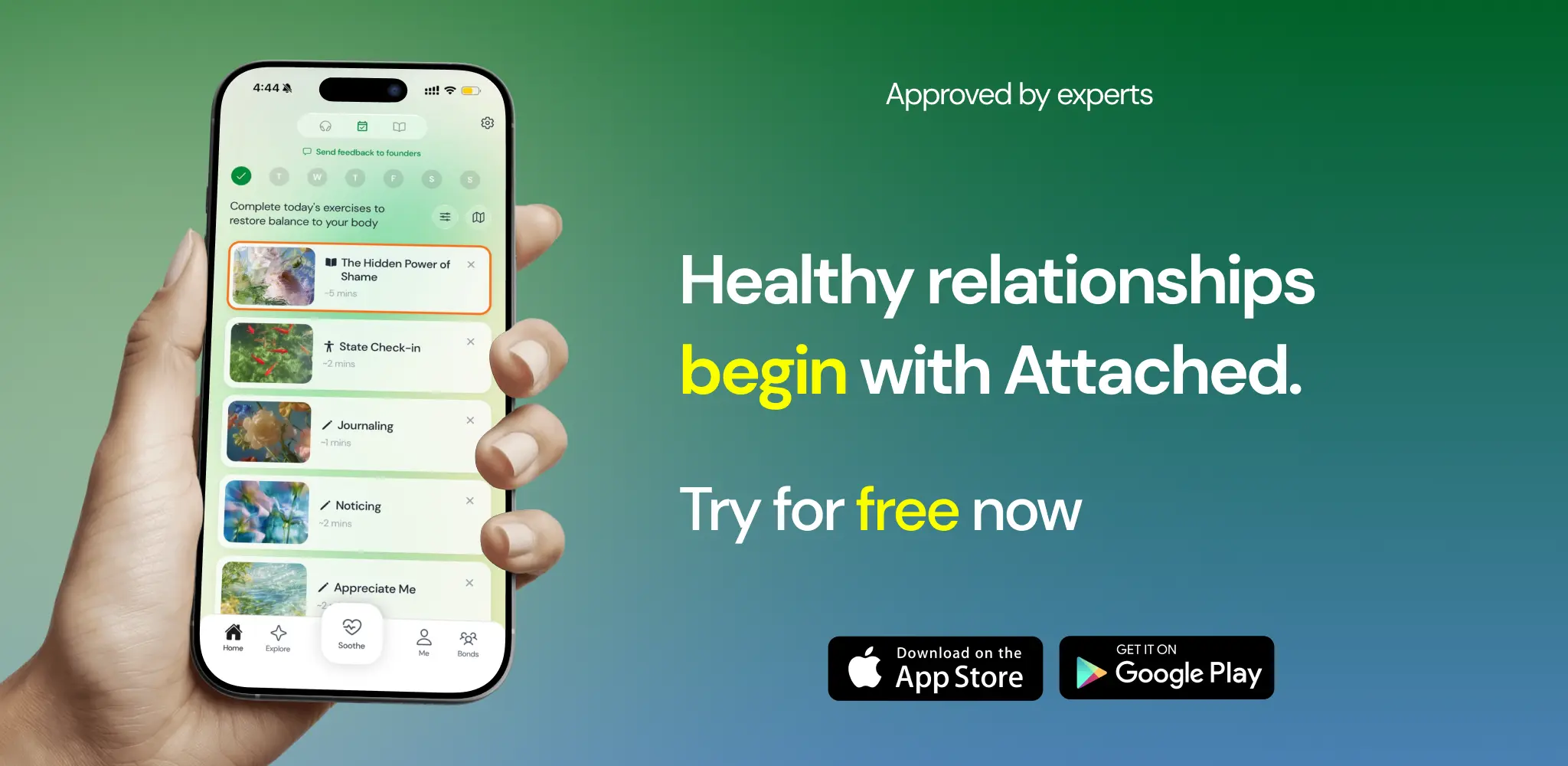
The app to soothe anxious attachment immediately
Attached is the No.1 app to help you explore your relationships and attachment style so you can become happier and freer, backed by attachment science.
The Attached app helps make this process easier with:
- Daily Exercises / Quests for habit-building in real life
- Self-Soothe / Help Mode for tough emotional moments when your attachment system goes into overdrive
- A built-in Journal to find hidden emotional patterns and protest behaviors
- Weekly insights from Eden, your relationship guide, so you don’t have to decode your patterns alone
Download Attached for free and start working toward security on Valentine’s Day 2026, and on all the ordinary Tuesdays after
Related articles
More reading to help this topic connect across the blog.
She did it. After all those breakup songs, Taylor Swift found her true love.
What if Taylor Swift’s “type” didn’t change by accident… but because of something else? And why Travis Kelce might be different to the rest.
What if, you've never been in love before? Here are 7 signs you've never felt real, genuine love.
If you keep having the same fight, no you don't need a new relationship for 2026. You need to understand each others' fears. This guide will help you shape your 2026 relationship resolutions.
Understand your attachment style
Read the full guide to each attachment style, or take the quiz to find yours.